

Understanding Travel Logistics for Wyoming Wedding Shoots
Learn how we plan, pack, and film wedding videography in Wyoming, including remote spots near Jackson Hole, WY, with calm, timing, and care.
When we film weddings in the mountains of Wyoming, travel becomes a big part of the process. Couples often choose remote locations that feel completely removed from the everyday. That’s part of what makes it all so special. But making it to those places with gear, people, and equipment means planning ahead. For us, wedding videography in Wyoming starts long before the camera turns on. It begins with the drive, the weather, the terrain, and even the timing of light across a mountain valley. Every wedding has a heartbeat, and our job is to find it without missing a beat ourselves. Knowing how to move through this wide state makes all the difference.
Planning Around Geography and Terrain
Wyoming isn’t a small state. Distances between towns can stretch longer than expected, and many wedding venues sit deep in canyon valleys or off winding roads with no paved access. That’s why we always look at the route long before the big day.
There’s a lot to account for, especially in early summer:
Dirt and gravel roads that shift after spring runoff
Mountain passes that can still have snow on the edges in early June
Cell service that drops when you need it the most
We never assume a GPS will carry us the whole way either. Some areas drop signal without warning, especially as you turn off main highways. That unpredictability makes buffer time important. We build in space for delays, slow vehicles ahead, or even wildlife taking their time across the road. Giving ourselves extra time to reach the location is just part of how we work in a place this big.
Timing the Trip: When to Arrive and Scout
Arriving early isn’t just about convenience, it's part of the plan. We like to get there at least a day ahead when possible. That gives us time to breathe, look around, and connect in person.
Arriving early lets us:
Get a feel for the elevation and light changes
Walk through the venue and see what the weather’s actually doing
Meet with the planner or couple before everything gets rolling
This matters most in early June, when weather isn’t totally settled. Afternoon storms come and go quickly. Some passes can still get snow, and lighting can shift in ways that make a difference between a usable shot and a missed one. Being there early lets us adjust calmly, without scrambling moments before the ceremony.
Equipment Packing for Remote Mountain Locations
Packing for a local event is one thing. But weddings in places like Jackson Hole push us to think lean and smart. Lightweight matters when hikes are involved or when we’re working from the back of a four-wheel-drive vehicle.
We always check our gear list twice. Here’s what we keep in mind:
Only pack what matters most, and make sure it’s working before we travel
Bring backups for anything we can't purchase quickly, like cables or camera batteries
Plan how we’ll power things when outlets are far away or load capacity is limited
Charging becomes a bigger question when power sources aren’t reliable. Solar setups, car inverters, and power banks help us stay fully charged without depending on where we land. We’d rather bring a bit extra weight than risk running short mid-shot.
Communicating With Couples and Other Vendors
We’ve found that smooth events tend to come from clear communication ahead of time. The earlier we connect with planners, photographers, and anyone else involved, the better we can map out what’s realistic for gear setup and movement on the day.
That coordination helps us:
Know when and where we’re allowed to drive or unload
Line up arrival windows so vendors aren’t stacking in crowded entryways
Make sure areas for drone takeoff aren't in conflict with guest paths
Smaller spaces like open clearings or rocky hillsides demand more flexibility, and knowing those details in advance helps us avoid last-minute workarounds. We always make sure we’re not surprised by a shuttle-only road or a four-hour gear haul at high elevation.
Travel-Wise Strategies for a Smooth Exit
Getting in is one part of the challenge. Getting out matters just as much. Especially with mountain weddings, we plan for a calm breakdown. That way, we’re not rushing to tear down gear while guests still linger or as light starts to drop.
Here are a few things we do to leave well:
Prep our exit plan so we can break down gear without stress
Avoid booking early flights the next morning in case weather delays the event
Weigh the drive versus fly options depending on distance from the nearest airport
Wyoming’s airports aren’t always nearby. Small, regional flights may be limited or delayed during shifts in seasonal weather. Having a slow, flexible out plan protects us from burnout and makes the travel feel part of the rhythm instead of a hard stop to a long day.
Confident Shoots Start With Smart Planning
When we take the time to plan well, we open the door to more meaningful, focused work. Travel shapes every wedding shoot here. The size of Wyoming, the weather, and the altitude aren’t roadblocks, they’re part of the experience. We’ve learned to move with them, not fight them.
By thinking ahead, staying flexible with our timing, and keeping clear talk going with others on the ground, we get to that place where things just flow. That’s when the filming feels honest. Real. When it’s no longer about logistics, and more about capturing something that stays with you.
Planning a wedding in remote locations can be full of surprises, and our experience filming in Jackson Hole, WY shows us just how magical these moments can be. We have seen couples embracing the beauty of morning fog and alpine light while exploring unpredictable roads, and you can view real examples of wedding videography in Wyoming to see how these unique settings come to life. At Après Events, we are here to help you bring your vision to life, so reach out today to discuss the details.
What Makes Outdoor Videography Work for Late Spring Weddings
Late spring in Jackson Hole feels like a quiet stretch between seasons. Melting snow uncovers grassy trails, the sun lingers a little longer each evening, and everything seems to slow down just enough to notice the details. That’s exactly when outdoor videography starts feeling more connected to the moment. The light changes, sounds shift, and couples seem more at ease walking through wide open spaces. There’s something honest about it.
When we film weddings during this time of year, the raw beauty of the season finds its way into every frame. No extra staging, no dramatic backdrops needed. Just real moments, guided by natural light, unbeaten paths, and the rhythm of the mountains coming to life again. Here’s what makes this time ideal for filming outside and how spring itself helps tell the story.
Timing It Right With the Natural Light
By late May, the sun over Jackson Hole behaves in a way that’s different from both winter’s sharp light and summer’s intense heat. The angle is softer, but the light lasts longer, giving us more hours to work without any rush.
Couples tend to plan ceremonies for late afternoons or early evenings, which lines up nicely with what the light wants to do. That golden stretch before the sun drops behind the Tetons is hard to recreate anywhere else. It gives a quiet glow to skin tones, softens shadows, and makes the surrounding landscape feel gentle and wide.
Still, it’s not always about a perfect sunset. We often work with:
Cloudy skies that create a natural filter
Short bursts of bright sun breaking through trees
Moments when shadows stretch across paths, meadows, or riverbanks
Those things don’t spoil outdoor videography. They shape it. Adjusting as the day shifts is part of catching the more real, unplanned moments that couples remember later.
Sound That Comes With the Season
Late spring doesn’t just look different, it sounds different. After months of quiet snow cover, the valley wakes up. The birds are back. Water starts moving again. Light wind passes through open land in a way that’s almost musical.
You can’t always control sound outdoors, which is why we don’t try to block everything. Instead, we listen. Then we decide what to leave in, what to blend with music, and when to let a quiet breeze speak for itself.
Here’s what often adds to the feel of a spring wedding on film:
Birdsong early in the morning or near tree cover
Running creeks and small rivers just beginning to swell
The low hum of people laughed-out and breathing easy on a mountaintop
Sometimes the exact words in a vow aren’t as powerful as the pause that follows them, filled only with real sounds from the place where it happened.
Outdoor Settings That Feel Personal
There’s no shortage of gorgeous views in Jackson Hole. Still, the spaces couples choose mean more than just what’s in the background.
Trails, rocky overlooks, wooded edges, or the banks of the Snake River all give space to move and breathe. These are the spots that bring out the small reactions, quiet looks, slow walks, steps taken hand in hand toward a trailhead or away from it.
Late spring gives us access back to areas that were snowed over weeks earlier. The earth is soft but ready. Trees leaf out just enough for color, but views stay open. And yes, we plan for:
Wind gusts that mess up hair (and moments that make up for it)
Bugs near the water (often solved by movement or staying upslope)
Uneven ground that forces people to walk slowly and close
None of that is a problem when the focus isn’t perfection. It’s presence. And that’s often what makes a film feel lived in, not performed.
Knowing What to Wait For
Some of the best outdoor video happens when you stop trying to control or direct everything. Spring weather doesn’t always follow the plan. That might sound frustrating, but it builds room for better timing.
We watch for the little gestures nature gives us and let them create pacing:
Wind pushing a branch into the shot just when someone turns to smile
A reflection moving across water as vows are being read
Light shifting from blue to gold during a quiet walk, and pausing to let that happen
Sometimes we hold a shot longer than planned. Sometimes we decide to switch angles and follow something that feels better than what was expected. That’s what gives the footage weight, the pauses, the drift, the wait.
How Couples Help Shape the Story
No two couples move the same way. That might sound obvious, but it’s one of the reasons filming outside matters. The space makes room for real reactions, not ones that feel directed.
When we film outdoors, we pay attention to body language more than timelines. That’s where we find the details that guide the final edit. Things like:
How far ahead one person walks during portraits
Whether a couple stops to look up at the peaks or looks only at each other
Where hands fall when there’s nothing to hold but each other
Comfort in the setting leads to more original footage. We don’t try to chase picture-perfect. We work from whatever happens naturally. And in spring, couples tend to let their guard down. They lean into the fresh air, the softness of the day, the space that lets them just be together.
Making the Atmosphere Matter
When all of these things layer together, the light, the sound, the movement, it creates a very specific feeling. Not rushed. Not overly staged. Just human and wide open.
Late spring doesn’t shout. It gives quiet, in-between moments. That shows up clearly in the final wedding film. It feels slower. The pace allows the emotions to land a little more deeply. The setting doesn’t try to compete. It backs up what’s already happening.
That’s what makes outdoor videography work best at this time of year. It fits the tone Jackson Hole offers in the last stretch of spring. A sense of place that reflects the calm before the start of summer. The details bring people back to how it felt, not just how it looked. And that’s what holds up in memory.
Experience how late spring feels when captured on film by exploring some of our past work from weddings throughout Jackson Hole. Every season has its pace, and there's a quiet honesty in this one that always shines through onscreen. You'll notice how simple movements, shifting light, and open space create a deeper story. To see how we bring that to life with thoughtful outdoor videography, reach out to Après Events.
Steps to Film Emotional Reactions Without Distracting the Moment
Some of the most honest moments on a wedding day are the ones nobody sees coming. A tear that falls during vows, a smile that can't quite stay in place, or the quick breath that someone takes before walking down the aisle.
Some of the most honest moments on a wedding day are the ones nobody sees coming. A tear that falls during vows, a smile that can't quite stay in place, or the quick breath that someone takes before walking down the aisle. Emotion videography helps hold onto these quiet seconds without ruining the moment as it happens.
For spring weddings in open outdoor spaces like Jackson Hole, Wyoming, the goal isn't just to record what’s visible. It's to show what’s felt, without getting in the way. To do that right, we need to be thoughtful about how, when, and where we press record.
Staying Out of the Spotlight While Filming Subtle Moments
To capture true reactions without pulling attention from the couple or their guests, we give people space. Getting close might feel like the obvious answer when someone’s tearing up, but physical distance can actually make the moment feel more honest on camera.
Here’s how we protect emotional scenes without drawing focus:
Use longer lenses to shoot close-ups from a farther distance
Avoid stepping into someone’s eyeline, especially during high-emotion moments
Move quietly behind natural cover, like foliage, chairs, or support beams
The right angle isn’t always the one up front. Sometimes it’s off to the side, where people forget they’re being watched.
Choosing Equipment That Won’t Distract Anyone
A good emotional clip can go stale fast if it’s backed by beeping noises or clunky gear sounds. This is why gear choice and setup matter more than most couples realize. What we bring into the space, and how quietly we operate it, helps protect the experience for everyone.
Some ways we keep the presence quiet and smooth include:
Switching off any audio beeps or sounds on our cameras before filming
Wearing neutral-colored clothing to avoid disrupting guest photos or catching extra light
Using small handheld stabilizers that move with us, rather than big rigs that need setup
Wedding days are full of unexpected turns, and nothing hurts a real moment more than the wrong gear clicking on at the wrong time.
Reading the Room: When to Film and When to Pull Back
Every part of a wedding holds energy, but not all energy needs a camera aimed at it. Some of the most emotional parts of a day, like private vows, parent embraces, or tears just before the ceremony, should be approached with care. That means knowing when to film and when it’s better to hold back.
We train our awareness toward moments like these:
Watching subtle changes in body language that show people may want privacy
Listening for certain tones and pauses during conversations that hint at intensity
Coordinating with planners or support vendors to know when something quiet is coming
Letting the moment breathe sometimes means choosing not to record it. That choice, too, supports the story.
Framing Emotion Without Posing It
We don’t ask people to shriek with laughter or gaze into the sunset. That’s not how emotion works. It shows up differently in every person, and it often hides in the smallest shifts. Our job is to notice that without needing to control what’s happening.
During more emotional parts of the day, we aim to:
Look for small actions like a hand tightening its grip, a soft smile forming, or a nod that carries more weight than words
Mix wide shots that show the setting with tighter close-ups to add depth
Stay observant instead of giving any direction, even when the angle isn’t perfect
The goal is not the perfect shot. It’s the truest one.
Emotion Lasts Longer on Film When You Don’t Chase It
Spring in Jackson Hole brings a certain kind of calm energy to a wedding day. Everything is coming back to life, but not rushing. In that same way, emotional moments around a wedding can’t be forced. They come on their own time.
The more space we give them, the more likely those moments are to rise. That’s why our approach to emotion videography is steady, quiet, and flexible. We stay close enough to witness it, but never so close it changes. We prepare ahead of time so we aren’t scrambling in the middle of something real. We don’t look for tears or try to make someone feel more than they already do.
The strongest story is already in progress. We’re just finding the right way to let it show.
At Après Events, we love weddings that feel natural and real, where moments unfold without being staged. We capture quiet glances, subtle reactions, and genuine emotion to create the stories we cherish. For couples planning a spring celebration in Jackson Hole, WY, our gentle approach to emotion videography allows every detail to feel true. We stay close enough to notice the meaning without interrupting the flow. Reach out to schedule a time to talk about your day.
Why Jackson Hole Filming Needs Extra Prep for Shoulder Season Weddings
Spring weddings in Jackson Hole can feel like something out of a dream, especially during shoulder season.
Spring weddings in Jackson Hole can feel like something out of a dream, especially during shoulder season. The snow has started to melt, but patches remain in the shade. Trees bloom fast, streams run fuller, and skies seem to shift their color every half hour. That quick change is part of the beauty, but it also means that filming during this time needs more planning than most expect.
When couples reach out for Jackson Hole video production in late April or early May, the first thing we talk about isn't camera gear. It's the weather, the access, and how time plays differently here in the mountains. Shoulder season asks for flexibility and patience, from both the couple and the film crew. Nothing stays the same for long, and that's exactly why preparation matters so much.
Timing Is Everything in the Mountains
Spring doesn’t land all at once in Jackson Hole. Snow sticks around in certain parts of the valley well into May, and sunlight hours stretch fast from one week to the next.
That makes timing a moving target when filming weddings. Light that looked soft during the site check might be too sharp on the wedding day. Shadows fall differently. Melted snow turns into mud in the afternoon, even if that area was walkable in the morning. Schedules have to bend a little.
To keep pace with those shifts, video crews need room to breathe during the day. That means adding buffer time between location changes, scouting lighting conditions a second time closer to the actual date, and thinking ahead about whether a shot might work better one hour later. This kind of flexibility is what lets the footage feel intentional, even when nature throws a surprise.
Access Challenges in Early Spring
Not every hiking path or open-meadow viewpoint is available right away in spring. In fact, a lot of the most scenic trailheads are still closed or blocked by melting snowbanks in early May. We’ve seen it happen where a planned shot location just isn’t reachable anymore.
That’s the part people often forget. The weather may read as mild that week, but deep snow can hold out in shaded parts or higher elevation areas.
Along with snow, the ground can be muddy, sometimes to the point of making certain routes too slick to walk safely, especially in wedding attire. Pulling a camera dolly or even getting drone gear set up becomes harder in wet, soft soil.
To keep the production moving, it’s smart to have a solid Plan B (and even a Plan C). That way, if a favorite location is cut off or feels unsafe to reach on the day, filming still moves forward. The backup spots are already chosen, and the tone of the film stays consistent.
Wardrobe and Wind Don’t Always Mix
Wind is a regular guest in the shoulder season. On calm days, it holds back just enough to let the veil float softly. On breezier ones, it can push dresses, hair, and gear off course without warning.
That’s not always a bad thing. Sometimes the wind adds motion that lifts a frame. But other times, it becomes frustrating, especially if outfits weren’t picked with it in mind. Layered clothing that works with the movement often performs better on camera than stiff or heavy materials that catch in all the wrong places.
Here’s what helps the most during fitting or rehearsal:
Pick fabrics that breathe and shift in soft ways
Use hairstyles that allow for movement without losing shape
Bring outerwear that looks intentional on film, just in case it’s needed
When we talk to couples ahead of time, it’s less about dictating looks and more about working with the season. Shoulder season has its own pace. We don’t try to control it. We watch for moments when it supports the emotion already happening.
Equipment Prep for Cold-Mild Fluctuations
Mornings can still start below freezing here, even in mid-May. By midday, it’s possible for temps to rise into the 60s if the sun holds. Those fast swings don’t just affect wardrobe, they affect the gear too.
Camera batteries tend to drain quicker when exposed to cold air for long periods. One way around it is to cycle equipment in stages so something is always warming back up when not filming. But if that weather shift catches us off guard, even top-end equipment can quit too early.
Condensation is another issue. When we move from a warm interior, like a car or cabin, out into cooler outdoor air, lens fog can appear. That short delay can be the reason why a first-look or private vow ends up missed.
Filming in Jackson Hole during spring shoulder season means planning for:
Extra batteries kept warm until needed
Backup cameras stored in temperature-neutral bags
Wipes and cloth to keep lens glass dry and ready
These steps sound small, but they keep the visuals clean and the timeline smooth.
When Nature Upstages the Shot
One of the best parts about Jackson Hole is also the most unpredictable. Nature doesn’t stay in the background. It steps into the frame, pulls focus, and changes light in the middle of a single sentence.
Wildlife might appear right before the first kiss. Rapid-moving clouds might block the sun halfway through a couple's vows. A snow flurry could roll in with no warning. When those things happen, we don’t try to work around them, we adapt and let them shape the story.
That means thinking of wide shots as moveable and not overly locked to a fixed angle. If a beautiful scene isn’t cooperating, we shift into close-ups to protect the couple’s moment. If the light bursts through a clearing sky, we slow down to capture the change.
The trick is not to panic when nature adds something unexpected. Instead, we build flexibility into how we storyboard. That way the couple stays present, not distracted by sudden changes around them.
Making Shoulder Season Look Seamless
Filming weddings during shoulder season might take more planning, but the reward is real. The look is unique, spring still waking up, mountains with snowcaps, wildflowers holding onto the edge of ground frost. That kind of mix doesn’t last long, which is why it feels so special when caught on film.
We’ve learned that the key isn’t forcing a style onto the season, but listening to what it already offers. Being realistic about what the weather might do. Knowing which locations are likely to be dry. Setting up for comfort so couples can enjoy the space without rushing through it.
When we do that, the footage doesn’t just look polished. It feels honest. Shoulder season isn’t simple, but when the prep gets done right, it absolutely shows.
Planning a wedding during shoulder season means having a partner who understands how the weather shapes every frame. At Après Events, we take extra time to scout conditions, prep locations, and remain flexible so the final film feels steady and true. We have worked through snowy mornings, windy first looks, and unexpected wildlife sightings, all part of the charm of Jackson Hole. To talk with us about your own plans for jackson hole video production, just send us a note.
Tips for Capturing Wide Landscape Shots Without Losing the Couple
Learn how to shoot wide mountain views during spring drone weddings in Jackson Hole, WY, without missing real emotion and connection on camera.
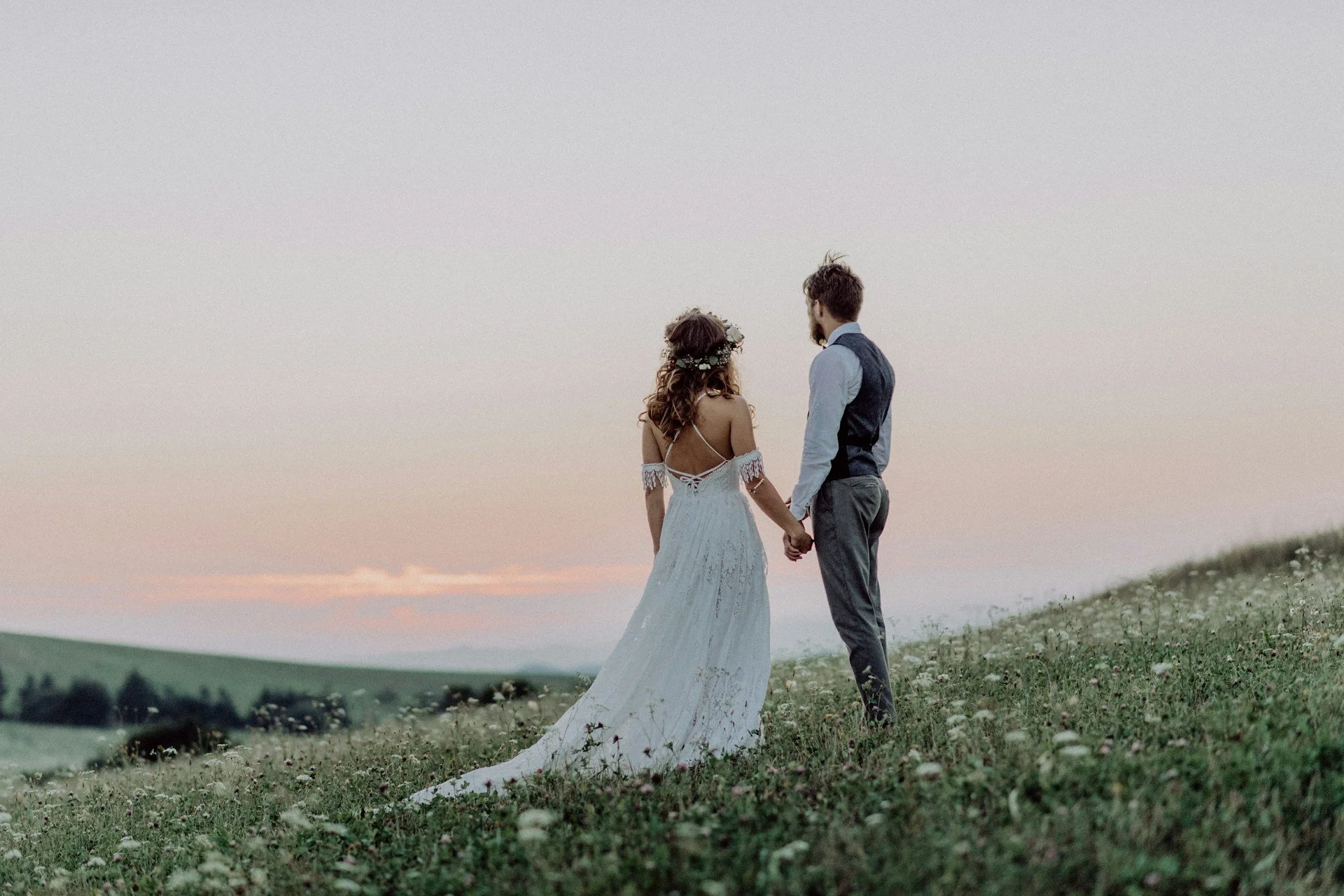
Spring in Jackson Hole opens up a fresh kind of light. Snow starts to melt from the peaks, wildflowers dot the fields, and the skies stretch wider. It is the kind of backdrop that makes people pause. Couples planning drone weddings in May often ask how to show off all that mountain beauty without losing sight of themselves as the focus. It is a fair ask. You want the Teton Range in the shot, but not at the cost of missing real connection between two people.
We think it is possible to strike that balance. Wide views do not have to mean distant emotions. With careful choices about where the couple stands, how frames are built, and how drones move, shots can show everything, the place and the people, without one blocking the other.
Positioning the Couple Within the Scenery
When so much open space surrounds you, it can be easy for the couple to fade into the frame. The key is picking spots that naturally hold contrast. Not just for looks, but to help the couple stand out without forcing the scene.
Some of the places that work well include:
Ridge lines where sky and ground split cleanly
Open meadows that give room to move and flat light for visibility
Lakes, creeks, or reflective spots that double the interest without crowding the couple
Besides the setting, color plays a big role. If the mountains are deep green and brown, lighter wardrobe colors help draw the eye. A cream suit or pale dress provides quiet contrast. Florals can do the same, especially when they do not match the landscape colors too closely.
Having the couple move within the shot also helps. Walking paths, twirling slowly, or simply turning toward each other adds shape. Movement gives the camera something to follow and rhythms that guide where we look in the final shot.
Framing Tricks for Wide-Angle Drama
Big views can feel flat unless something holds them together. We often look for visual anchors near the front of the shot to build shape into wide angles. That might be a boulder, a weathered old stump, or a low bush catching the wind.
These small additions do a lot:
They help guide the viewer’s eye from foreground to background
They keep the shot from feeling empty, even when it is meant to show space
They give a physical sense of where the couple is standing in the scene
When we shift focus between the couple and their backdrop, it adds depth to simple frames. Starting on trees behind them, then snapping focus to a quiet hand-hold or glance brings life into the space.
Sometimes we go low. Positioning the camera at waist or knee height lets the sky fill more of the frame without losing the couple in it. From that angle, the Tetons stretch taller, and the couple feels more grounded in both emotion and posture.
Working With Drones in Mountain Terrain
Drone weddings in Jackson Hole bring something special, but flying in these mountains takes planning. Wind does not behave the same up high, and terrain can change quickly between open air and cliff sides.
We keep drone movement slow so the scene unfolds easily. Quick paths distract. Slow tracking shots allow time for viewers to take in the full setting. That speed lets moments between the couple feel natural too.
Layered terrain makes the view more interesting. We watch for places where trees, peaks, and empty space work together. Then we plan routes not just through those pretty spots, but along the couple’s own movement. That way, the drone tells their story, not just a travel video of the mountains around them.
Avoiding flight paths that cut over guests or ceremonies helps keep attention where it matters and avoids pulling focus with sound or shadow.
Timing, Light, and Weather in Spring
Spring weather in Jackson Hole keeps us on our toes. Early May brings longer days and warmer temperatures, but mountain clouds and light still shift fast. The sun can break through or disappear without notice.
We shoot wide scenes during times when the light is soft. That is usually mid-morning or right before sunset. Golden hour brings warm tones across snow patches and blooming brush without harsh shadows. In mid-day light, open shade from tall trees or structures gives us more control.
Since weather can turn quickly, we always have options ready. Bringing covers for the equipment, simple grips, or flexible mounts helps us pivot fast if wind picks up or rain rolls in. Sudden shifts happen more often high up, and spring is not always predictable.
Keeping Attention on Connection
No matter how wide the shot is, our goal is the same: hold focus on the couple and how they feel during that moment. The trick is using their gestures and expressions to draw viewers in.
We look for small cues:
A lean-in during a quiet conversation
Their body posture relaxing as they watch something together
A spontaneous laugh or even standing still, shoulder to shoulder
These moments matter more than epic views. The Tetons can hold space for those feelings, but the emotion itself is what makes a frame linger.
We design the background around those moments instead of the other way around. That way the setting supports the couple’s story without swallowing it.
Letting the Scenery Strengthen the Story
Wide shots do not have to feel posed. They can add depth when they show how a couple fits into the space they chose to marry in. We use them during parts of the day when things slow down, like private vows in an open grove or an early morning walk before the guests arrive.
That quiet time invites softer shots that still hold range. It gives everything room to breathe without drifting away from the people in it.
When the setting mirrors the tone of the moment, it adds weight to memories later. A sweeping valley below a reading of personal notes or a long pull-back from a quiet embrace helps carry the emotion of the day. These are not just pretty views. They help carry the emotion of the day.
Wide does not mean distant. It means full. When we treat the background as part of the story, not the main act, we create space for memories to feel rooted and honest.
Every choice, from where the couple stands to how we fly our drones, adds a layer to that framing. Spring is a perfect time to make those layers feel alive.
Thoughtful framing and spring mountain backdrops can set your event's tone as powerfully as the emotion behind each shot. Our approach stays grounded while allowing quiet moments to unfold on their own. From wide meadow shots to layered peaks, we plan every angle to reflect the rhythm of the day. To see how we capture the feel of drone weddings in Jackson Hole, WY, reach out to Après Events to start a conversation.
How Artistic Editing Creates the Feel of Mountain Weddings
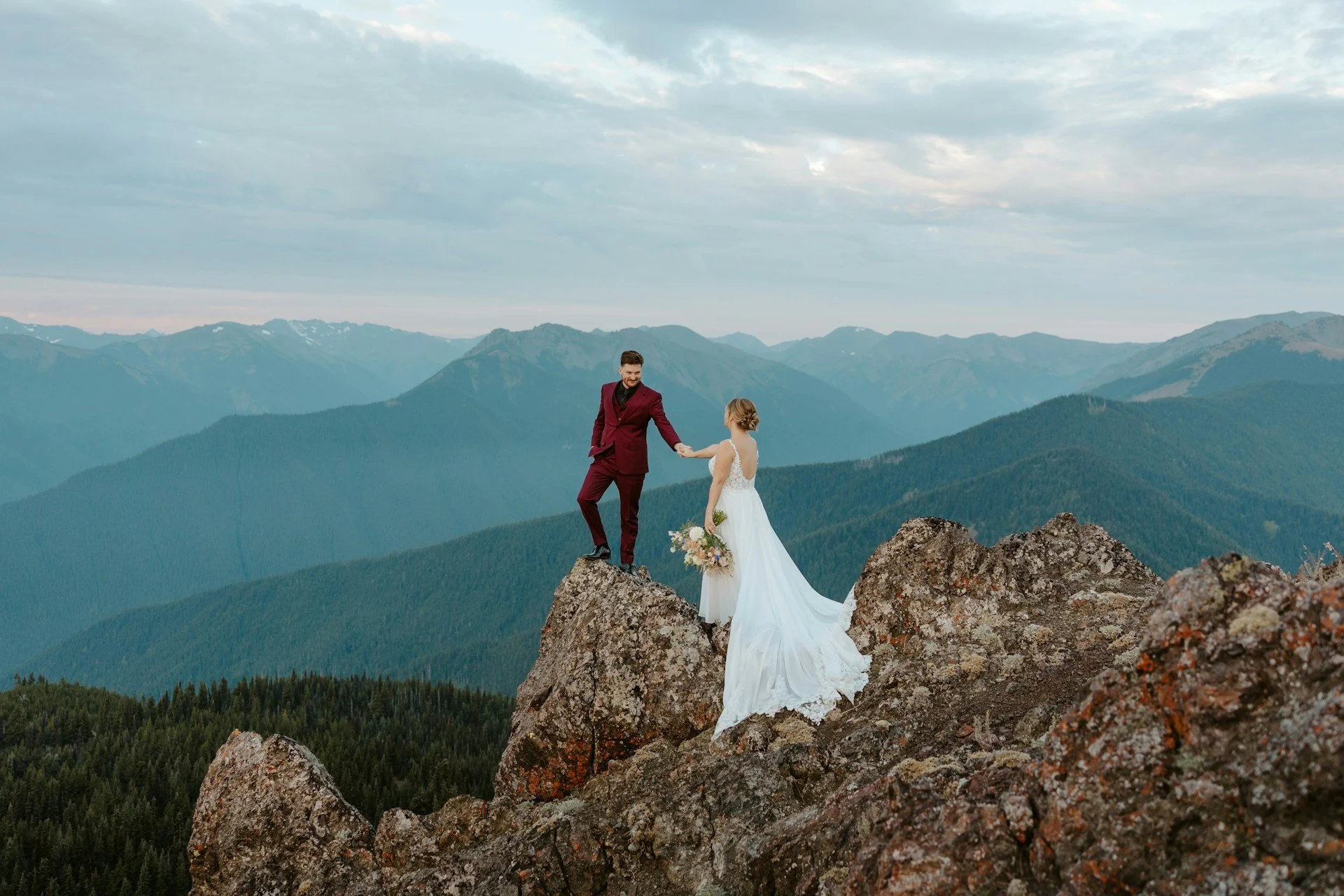
Spring in Jackson Hole feels like a fresh breath after a long winter. The snow fades, but patches still hold on in the shady spots.
Spring in Jackson Hole feels like a fresh breath after a long winter. The snow fades, but patches still hold on in the shady spots. Rivers run high, and the hills start to turn green. It is a sweet, short season that often shows up just in time for wedding days.
But what makes mountain weddings feel different is not just the view. It is how that view is shaped in the final film. Artistic wedding films draw from the setting, the energy, and the emotion to shape something lasting. Good editing does not just show what happened. It helps people feel it again. The pacing, the color, and the images you let linger all carry weight.
That is why the editing process matters. It is not about styling things to look perfect. It is about shaping moments in a way that feels honest and full. That is what gives mountain weddings their signature mood on screen. As a premier wedding videography firm based in Jackson Hole, WY, Après Events focuses on creating heartfelt, visually rich films that reflect each couple’s genuine energy against the mountain backdrop.
Choosing Footage That Carries Emotion
Not every clip makes it into the final story. Some moments are kept, not because they are big or flashy, but because they speak.
When we sort through a wedding, we are watching for more than smiles. We look for strong visuals that say something quiet on their own. This often means:
Long looks between partners that stretch on just a beat past the camera flash
A walk down a trail when the wind picks up a veil or a jacket flap
A still frame when the light stuns the tips of the mountains as someone watches in silence
These small things add weight. We pay attention to movement, pauses, and angles. When someone takes a breath or touches someone's hand without thinking, it can become the anchor for a piece of the film. That natural balance between loud laughter and quiet glances allows the editing to mirror the feel of the day, not just the timeline.
The Role of Natural Light and Color in Storytelling
In Jackson Hole's spring, the sun can peek through passing clouds and then disappear five minutes later. That shifting quality matters when grading the film.
Soft light is common during this time of year. Snowmelt haze, chilly air, and sun flares all blend into a palette that is gentle without being washed out. Through editing, we can guide that palette forward:
Bringing out the gold tones during sunset over the hills
Adjusting blues to match the cool air still lingering in the early mornings
Keeping color ranges subtle so that skin tones feel natural against bold mountain views
The goal is not to change the story with color. It is to match the look of the light to the feeling people had in that moment. Light carries emotion. It sets the mood without words.
Shaping the Story With Sound and Silence
Audio brings the moments alive. The sound of vows, the shuffle of feet on gravel, or a gust of wind can hold just as much meaning as words. Springtime in the mountains offers texture, and we try to keep that texture intact.
Layering natural sound under spoken audio or music turns visuals into memories. We often include:
Creek sounds behind quiet interviews or open scenery shots
Laughter from guests, carried on the breeze between scenes
Crisp silence in a high meadow before the ceremony begins
Breaks in sound matter. Silence does not mean nothing is happening. It lets big beats settle. It allows viewers to imagine how that moment felt to stand in. In wedding films, those pauses give space to remember.
Rhythm and Flow Create Meaning
When editing a wedding, we are trying to match the energy from the day with how it should feel to watch. The rhythm of cuts, transitions, and pacing is not random. It is shaped by the pace of real people going through big moments.
Some events move quickly. Speeches. Music. Dancing. Others slow down without anyone realizing it, when a couple is alone for their first look, or when someone wipes away a tear at the table.
We take those changes and work them into how the film moves:
Slow transitions when the forest grows quiet
Faster edits when the crowd is singing
Hard cuts to match surprise or laughter
Soft fades when someone is walking down the aisle
By matching the cut style to the setting, the film becomes a better reflection of what it was like to be there. Mountain weddings invite a slower pace at times. They ask to breathe.
How Editing Style Reflects the Couple
Every couple has different energy. Some are outgoing and bold. Some are quiet and strong. We try to let that nature guide our editing.
Instead of forcing every film to follow a fixed structure, we ask early questions. Where did they linger? What moments pulled the couple in? How did they move around each other?
From there, we make decisions like:
Letting consistent eye contact hold longer when connection drives the couple's story
Cutting between large group cheer and small hands holding when contrasts matter
Letting breath or walking sounds stay in to keep things grounded
Weddings in nature come with their own sense of calm and surprise. Editing that reflects both mood and personality helps it feel like no film could have been anyone else's.
The Feeling That Lasts
We cannot stop time. But through editing, we can slow it just enough to let people feel something again.
Artistic wedding films use editing as the bridge between memory and experience. They press pause on moments that might have gone by too fast. They let a look or laugh stay longer than it did in real life. What is remembered is not the exact timing, but the feeling. Honesty. Warmth. Nature appearing in the background.
In mountain weddings, there is something about the open sky and quiet wind that sticks around. When the right sounds, cuts, and colors come together, that same feeling stays with the couple long after the last champagne toast. That is why the edit matters. It holds onto what the moment gave, so it still reaches through the screen.
At APRES Events we bring mountain weddings to life by filming in Jackson Hole, WY and beyond so that every project reflects a unique rhythm shaped by the interplay of light, sound, and the quiet moments in between. Our creative approach makes the surroundings an integral part of every couple's celebration, and you can see our attention to detail as we handle framing, pacing, and color in our artistic wedding films. If you are planning a celebration with the Tetons in sight, please reach out to us via our contact page.
Guide to Filming Reception Highlights Without Missing Key Moments
Get tips for filming receptions with movement and emotion. This guide shares how to capture real connection through events videography in Jackson Hole.
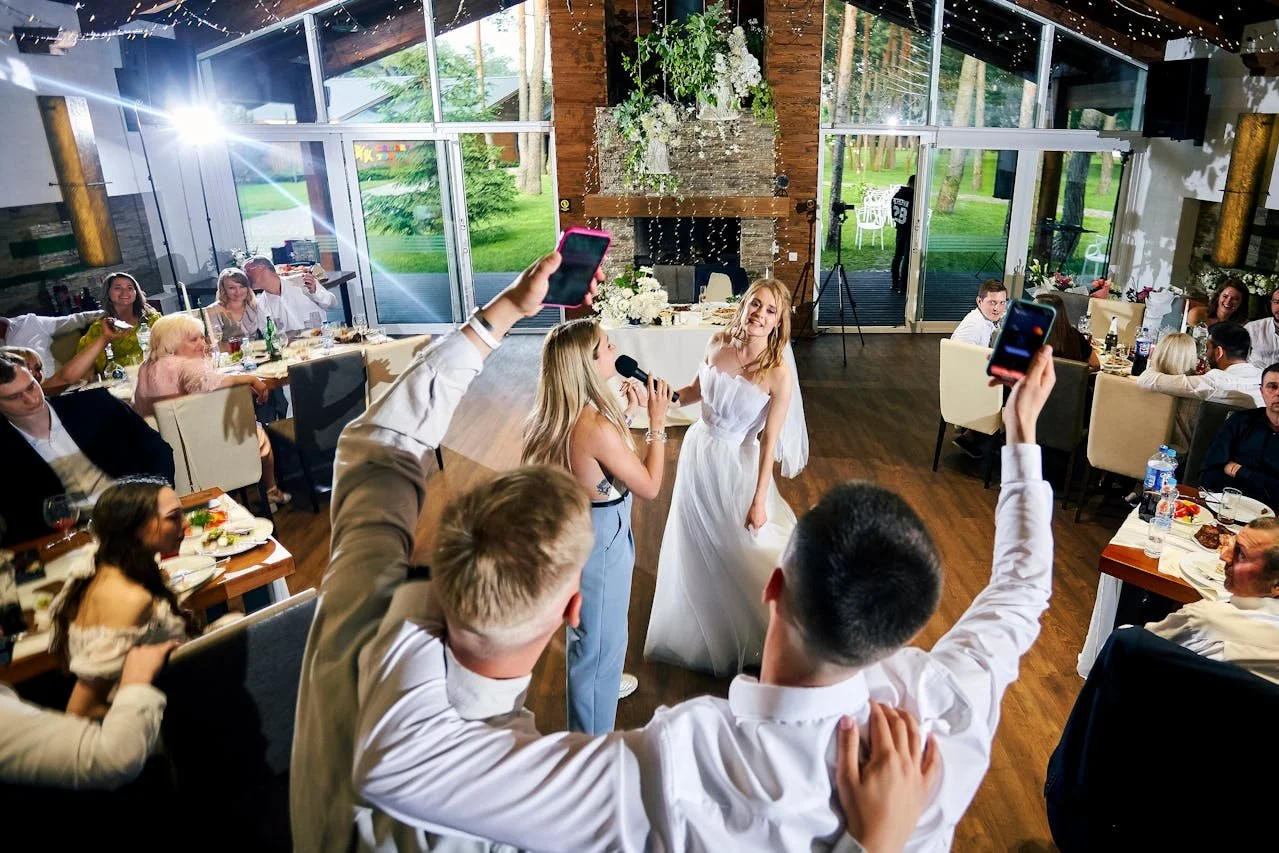
Receptions often move faster than expected. One minute everyone’s seated, the next the floor is packed. Between speeches, toasts, first dances, and cake cutting, these milestone events can blur together. In the middle of it all are the quiet flashes of connection, the parent leaning in for a side comment, the couple locking eyes at the edge of the room. These are the pieces we look for in events videography. They’re short, sometimes unnoticed, but they hold real feeling.
Capturing those scenes without slipping into staged footage requires more than just a shot list. It needs awareness, movement, and some ability to anticipate. We keep things natural by matching the rhythm of the room, using tools that don’t anchor us in one place, and staying close to the energy without overtaking it. Here’s how we approach that balance during receptions so none of those key moments are missed in the process.
Focus on Flow, Not Just the Agenda
Reception schedules can drift. Dinner might run longer than planned, a friend might jump up for an unexpected toast, or the couple might slip away before the formal exit. For these reasons, we don’t stick too closely to a timeline. Instead, we focus on the emotional flow in the room.
We work by paying close attention to where energy is building. That means watching for things like:
Reactions at guest tables that light up after a speech
Quiet conversations happening just outside the spotlight
Unscripted hugs, glances, or laughs between planned events
If we see a thoughtful moment unfolding between a parent and the couple during the meal, we’ll follow that. It matters more than being locked into whatever’s next on the schedule. A camera that moves through the room in rhythm with real interaction captures more than following a list ever could.
Equipment Choices That Give You Flexibility
Not every room reacts to light the same way, and receptions don’t usually wait for perfect conditions. Most receptions in Jackson Hole use warm lighting, candles, string lights, or a dimmed barn. That means our cameras need to handle low light without losing color or clarity. We stick with sensors that can pick up subtle glows and hold color even as the sun sets or indoor lights dim.
We also choose compact rigs over bulky setups. To stay mobile, we need gear that moves quickly but stays steady over uneven flooring or outdoor reception setups. That includes:
Lightweight stabilizers that don’t slow us down during transitions
Fast lenses that adjust quickly to moodier light
Backup batteries and cards so we don’t have to interrupt a scene
Flexible gear lets us keep filming as stories unfold, whether we’re walking into a candlelit lodge or capturing scenes late into the evening under string lights after a mountain sunset.
Reading the Room: Anticipate Moments Before They Happen
There’s a rhythm to receptions if you know what to listen for. That rhythm doesn’t always match what’s printed on a schedule. Instead, we stay tuned to the pace in the room. We notice the signs when someone’s getting ready to give a speech because people start turning to the mic. We know the first dance is coming when the DJ meets with the coordinator or the couple starts signaling toward the floor.
By understanding how energy builds before a major moment, we can get in position before it happens. That means:
Placing ourselves near clusters of expressive guests
Noticing a change in lighting, movement, or energy near service staff
Adjusting our framing in advance for a first dance
We also stay mindful of sightlines. If we set up too late, we’re forced to film from behind a crowd, blocked by arms or phones. By reading the room ahead of time, we give ourselves space to film from the cleanest angles while avoiding interference.
Capturing Sound Without Being Distracting
Visual clips work best when they’re paired with sound that feels real. That means everything from laughter and clapping to clinking glasses and quiet speech. At receptions, though, sound can get chaotic quickly. Guests are talking, the music can be loud, and every spot in the room tells a different audio story.
To manage this, we keep our mics close to the source. For speeches and toasts, lavaliers clipped to a collar or dress provide better voice pickup than stand mics. For sound that does not come from the mic (like laughs between guests), we record ambient audio quietly from other parts of the space.
We also try not to draw attention to the gear. That means keeping bulky audio rigs away from the podium or tables. Subtlety allows everyone to speak naturally without noticing wires or lenses right in front of them.
Editing With Intent: Building Highlights Into a Larger Story
Once the evening is over and the footage is in hand, the second layer of storytelling begins. Not every highlight in a reception comes with applause. Many are quiet glances or side conversations, but they can carry as much weight as any speech. We look for key moments that show emotion, rather than just what appears on a schedule.
To build a strong sequence, we start matching visual cuts to the energy in the footage. That might include:
Connecting a quiet laugh from a handshake with a snippet of spoken thanks in a toast
Letting table sound carry across clips to create a seamless feel
Using gradual transitions to move from fast-moving events to more reflective scenes
Rather than jumping from event to event, the edit lets the evening unfold, so a highlight video feels authentic. It is not a checklist. It is a genuine memory.
Authentic Reception Footage That Stays Meaningful
The most memorable reception clips don’t need setup. They come with a reaction, a surprise, or a soft moment between all the excitement. To film those moments, we stay aware without overtaking the scene. We move with the room, adjust with the light, and follow the rhythm even when it changes the plan.
That balance, between presence and restraint, is what keeps wedding reception footage real. By paying attention early, reading the room, and staying flexible in how and where we film, we leave space for genuine memories to happen naturally. Then we capture those moments quietly, so they’re never forgotten.
If capturing true connection and movement matters to you, we would love to discuss your wedding plans. Our approach to filming receptions comes from years spent reading rooms, staying quiet but present, and preserving the natural pace of celebration. Whether your setting is a candlelit lodge or an open-air tent in Jackson Hole, our goal is always to keep things grounded in feeling, not formal structure. To see how we approach events videography with detail and care, contact Après Events to start a conversation.
Understanding the Best Gear for Capturing Springtime Elopements
Learn how the right gear helps capture a spring wedding film in Jackson Hole, WY, with honest sound, steady shots, and authentic mountain light.
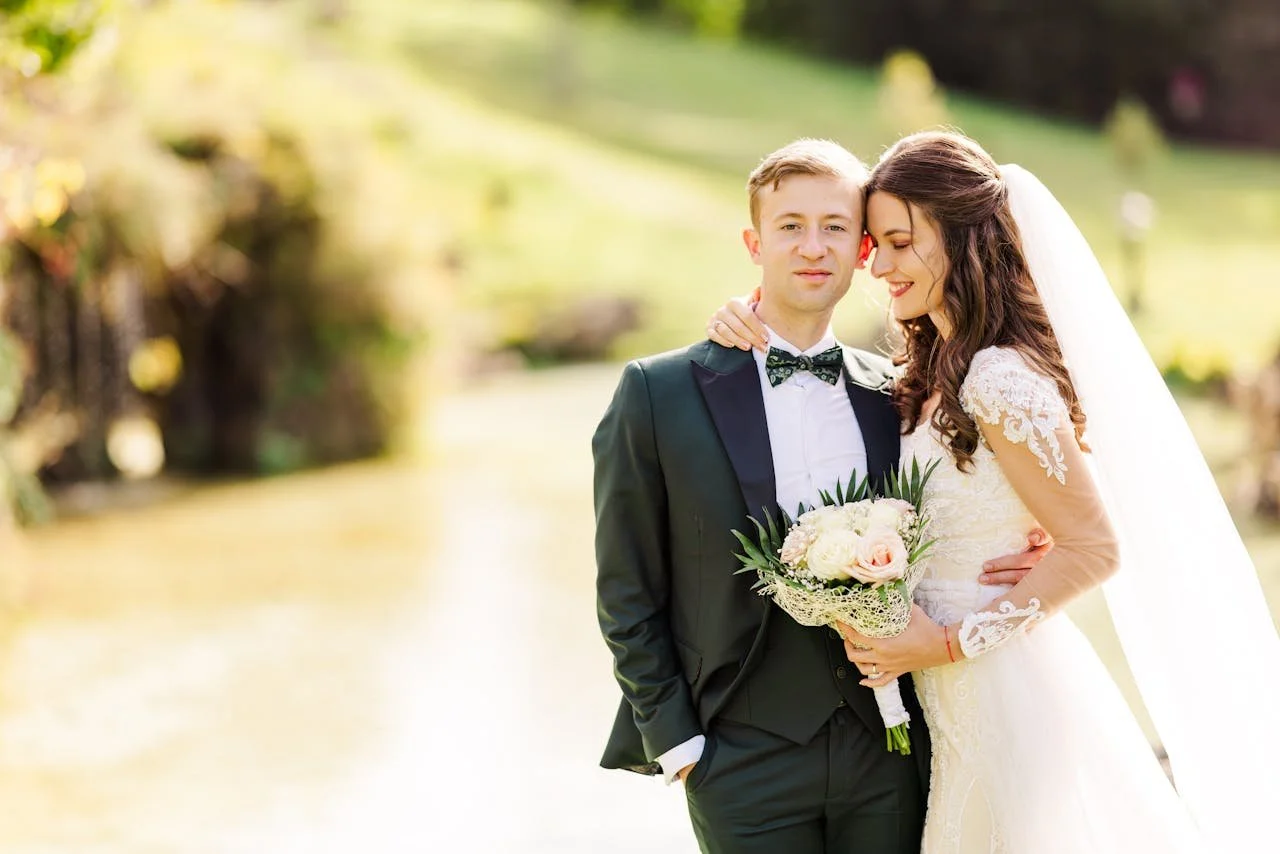
Spring in Jackson Hole brings out the drama, melting snow underfoot, sudden wind sweeping across open fields, and clouds rolling through the sky in a matter of minutes. That in-between season creates beautiful, unpredictable conditions, especially for couples choosing to elope outdoors.
Filming during this time is not about perfect setups or staged shots. It is about working with nature as it shifts, asks you to respond in real time, and changes again. Not every setup can handle that. But when the right gear meets the right touch, a springtime wedding film tells a deeper kind of story, one you can feel, not just watch.
Below, we are sharing what gear helps make that possible, tools that keep things steady, responsive, and connected in those fleeting mountain moments.
What Spring Weather Means for Filming in the Tetons
In Jackson Hole, early to mid-spring comes with mix-and-match conditions. Some tree lines still hold snow in the shadows, while lower trails get soggy and soft. The wind is quiet one hour, stubborn the next. And the sunlight? It might stick around or disappear behind thick clouds before you can adjust a single lens.
That kind of day-to-day variety means gear must withstand weather and flex with it. We look at three key gear demands during this spring stretch:
Gear needs to hold up to moisture and grit, especially during full-day outdoor shoots where there is no escape into a venue.
Battery life and storage should be reliable despite quick changes in temperature or light conditions.
Equipment must be mobile and strong enough to move over uneven ground or muddy, thawing trails.
All of that affects the pace of a shoot too. When the sun disappears just as vows begin, or when light hits snow patches unexpectedly, we have to adjust quickly. Good tools support a pace that feels responsive and real, not rushed or disjointed.
Cameras that Work Well With Natural Light
Natural light in spring is generous one minute and gone the next. That means cameras and lenses need to keep up without adding complications.
Full-frame cameras give us more control over low-light performance and dynamic range. This allows more play in editing and helps hold onto detail no matter if the couple is standing in full sun or a cloudy patch of shade.
Fast lenses with wide apertures make a big difference too. When clouds move quickly or a break in the trees opens up full sunlight, we can balance softness and depth without breaking rhythm.
Manual controls are just as helpful. We do not rely on auto exposure or white balance in the changing outdoors. Instead, we lean into tools that give us clean color and sharp lines no matter what shows up next in the sky. That keeps everything in your wedding film looking natural instead of over-processed or artificial.
Keeping Things Stable and Smooth
Shooting in the mountains means skipping wide, paved pathways and working with trail edges, packed dirt, and sudden patches of leftover snow. Keeping footage smooth does not come from heavy setups, but from tools that move effortlessly across tough ground.
Here is what helps most in spring:
Lightweight gimbals are easier to carry and shift with the body's movement on uneven ground. A solid gimbal means shots stay stable without slowing down pace or blocking quick transitions.
Tripods that grip well to rocky or soft surfaces prevent tipping and make location resets faster.
Handheld rigs or sliders are better than full dolly equipment here. We are not rolling across a ballroom floor. A small slider creates dynamic shots without needing an entire buildout.
Drones can capture beautiful overviews near cliffs or tree lines, but spring winds limit when they can fly. We watch gust speeds carefully before letting anything off the ground. The terrain below matters too. Flat tracking shots across quick-moving creeks or mud-laced meadows can tell the story from above if light and wind conditions align.
Capturing Natural Audio in Outdoor Settings
Sound matters as much as image when the goal is to create a memory, not just a visual. A wedding film comes to life when the viewer can hear the footsteps on stone or the breeze passing as vows are spoken.
Wide-open spaces in Jackson Hole do not shield sound like indoor venues do. The wind, birds, and fabric shifting in the breeze all interact with the mic. That is why we keep gear minimal but reliable.
Lav mics attached to clothing keep the most important sounds close. We use clips that secure cleanly with minimal clothing noise.
Wind protection is necessary. Foam covers, fur shields, and gear that can stand up to sudden gusts make all the difference.
Having backup audio sources, even a second recorder closer to the ceremony site, helps in case wind picks up or levels start to drop.
When sound is treated like a real part of the story, not just background, every moment feels more grounded. Not over-edited. Not silent. Just real.
Packing Smart: Gear for Remote and Scenic Spots
Many springtime elopements do not happen at the base of a trail or near a parking lot. A short hike, a steep ridge, or a wide open valley may be the final destination. The lighter we pack, the better that shoot goes.
What we carry must make it over rough terrain without constant unloading. We think about these essentials:
Compact gear first. One fast lens, one backup battery per camera, and a gimbal that folds small go a long way.
Power banks and multi-port chargers keep our tools going through long shoots with no outlets in sight.
Weather-resistant bags with internal padding prevent water and grit from wearing down sensitive parts.
What we leave behind is just as important as what we bring. A short conversation with the couple during planning helps us know what matters most to them, so we can prioritize the right shots and skip unnecessary gear. That leaves more space for being present.
Final Moments That Actually Stay With You
The best tools are the ones that let you forget they are there. When gear is quiet, steady, and reliable, it leaves room for the day to unfold naturally.
Spring elopements in Jackson Hole do not follow scripts. The wind may catch a dress and send it fluttering at just the right moment. The sky might open up with soft evening light even after a flat, cloudy day. If we are ready for whatever that shift looks like, we can respond to it instead of fighting it.
The right gear does not make us focus on tech. It gives us freedom to focus on feeling. That is what makes a wedding film feel like a memory, not just a movie.
The raw beauty of Jackson Hole in spring sets the perfect stage for an unforced and genuine celebration, and at Après Events, we let the location guide our storytelling while capturing every detail honestly. You can browse some of our past work to see how a spring wedding film preserves both the spirit of the place and its feeling. We would love to hear about your plans, so send us a note and let us talk through what is possible.
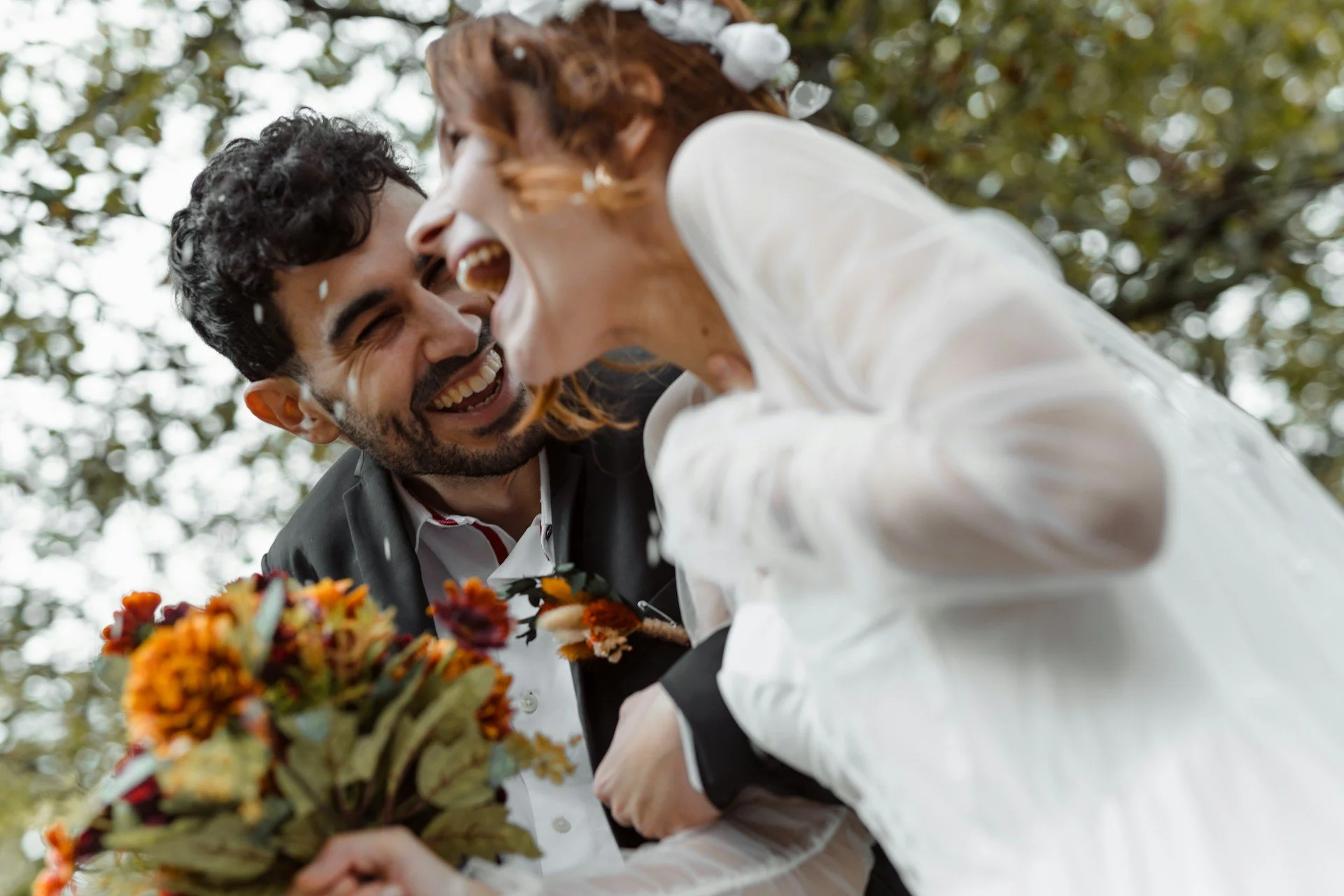
What to Look for When Hiring a Jackson Hole Videographer
Learn what to look for in a Jackson Hole videographer who knows how to work with mountain light, spring weather, and real moments that matter.
Hiring a Jackson Hole videographer means putting real trust into someone’s hands. You’re asking them to capture what the day feels like, not just what it looks like. And in a place where the sky shifts quickly and mountain air can turn cold without warning, that job becomes even more personal.
Spring starts to wake up in April. Ice still lingers in the shadows. The light comes and goes between cloud cover. Everything about this time of year adds emotion and unpredictability to an outdoor wedding. That’s why it helps to know what to watch for when choosing the right person to film it all.
We’ve worked through these conditions before, and we know firsthand how much experience, style, and awareness matter. Here’s what we suggest you focus on when searching for someone to film your wedding in Jackson Hole, Wyoming.
Look for Local Experience
Working in the Tetons is not like shooting in a studio or city. You don’t just show up, press record, and follow a timetable. The weather has its own rhythm. Light changes faster across wide valleys and open sky. Trails to scenic overlooks might still be muddy or icy from snowmelt.
That’s why local experience counts. When someone has filmed weddings here before, they know things like:
When the sun drops below the ridge earlier than expected
Where wind usually picks up in late afternoon near certain venues
How to shoot in bright snow without washing out the color in every frame
And more than that, they’re already familiar with popular outdoor spots and how those places photograph in April. A Jackson Hole videographer who’s spent time with these elements knows how to work with them, not against them.
Focus on Storytelling Style
A wedding film should feel like your day, not like someone else's highlight reel. Everyone films the ceremony, the dancing, and the toasts. But how those moments are put together is what makes a story feel like yours.
Ask yourself what kind of film feels right. Do you want it to feel clipped and high-energy, or slow and emotional? Does the tone stay steady, or does it rise and fall with different parts of the day?
Some videographers focus on action and crowd shots. Others are drawn to quieter moments, like someone straightening a jacket or pacing before vows. Storytelling is about choosing what to include, and just as important, what to leave out.
When you’re looking at someone’s past work, pay attention to pacing, audio choices, and how well they capture feeling, not just pretty shots.
Pay Attention to How They Work With People
Filming a wedding is more than just creating a product. It involves being present, without getting in the way. You’ll see your videographer often, sometimes more than your guests. So how they interact with people matters.
Here are a few things to think about:
Do they know when to step back, and when to step in?
Are they comfortable around families, small kids, or emotional moments?
Do they give clear direction without taking over the room?
We’ve seen how much more natural film looks when people feel comfortable with whoever is behind the camera. That kind of calm presence can’t be forced. It shows up in the footage, even if no one realizes it in the moment.
A good fit means fewer forced smiles and more real connection caught on film.
Review Sample Work With the Setting in Mind
Not all wedding films are made in bright ballrooms or under string lights. Mountain locations, especially during shoulder seasons like early spring, come with their own rhythm and light.
When you’re reviewing a videographer’s past work, ask if it includes scenes filmed where weather played a role. Did light shift mid-speech? Were there sudden clouds rolling in after the ceremony?
Here’s what strong mountain filming usually includes:
Scenes shot to include raw texture, clouds, bare branches, and snowmelt
Audio that blends in real sounds, like boots on gravel or wind in the pines
Thoughtful cuts that follow the couple’s pace, not just the schedule
The visuals should never feel forced. The right edit sets tone with patience, not speed. And the setting should feel real, not treated like a backdrop added after the fact.
Know What’s Included and What’s Not
Every videographer offers something different when it comes to what gets filmed, how much footage you get in return, and how it’s delivered.
This part matters more than people think. Surprises after your wedding day, especially about what was or wasn’t covered, can take away from the experience.
Before hiring someone, ask things like:
How many hours of filming are included
What type of film(s) are returned, full footage, trailers, short films
Timelines for delivery
Whether travel or location-specific fees apply in places like Jackson Hole, since rural sessions take more planning
Look for clear answers without vague promises. If a filmmaker sets expectations early, it makes the planning easier all around.
The Right Fit Leaves Room for Real Moments
Spring weddings in Jackson Hole are often full of unexpected beauty. The air is still cold in the morning, but sun warms things up fast by mid-afternoon. The weather might shift a dozen times before the first dance ever begins.
The right videographer knows how to handle that kind of change without rushing. You want someone who follows the emotion of the day, not just the timeline. That’s where a real story comes from.
They’ll know when to hold the camera steady even if things get loud or windy. And they’ll recognize quiet moments that deserve space to breathe on film. Those small, unscripted seconds tend to be what couples remember most.
It’s not about filming each part perfectly. It’s about capturing what the day actually felt like, so years from now, it still brings you back.
Dreaming of a wedding film that captures every stunning moment in Jackson Hole, WY? At Après Events, we transform shifting light and outdoor settings into a unique cinematic experience that reflects your individual story. The mountains never repeat themselves, and neither should your wedding film. Explore our Jackson Hole videographer portfolio to see how we have crafted personalized films for couples, then contact us to start the conversation.
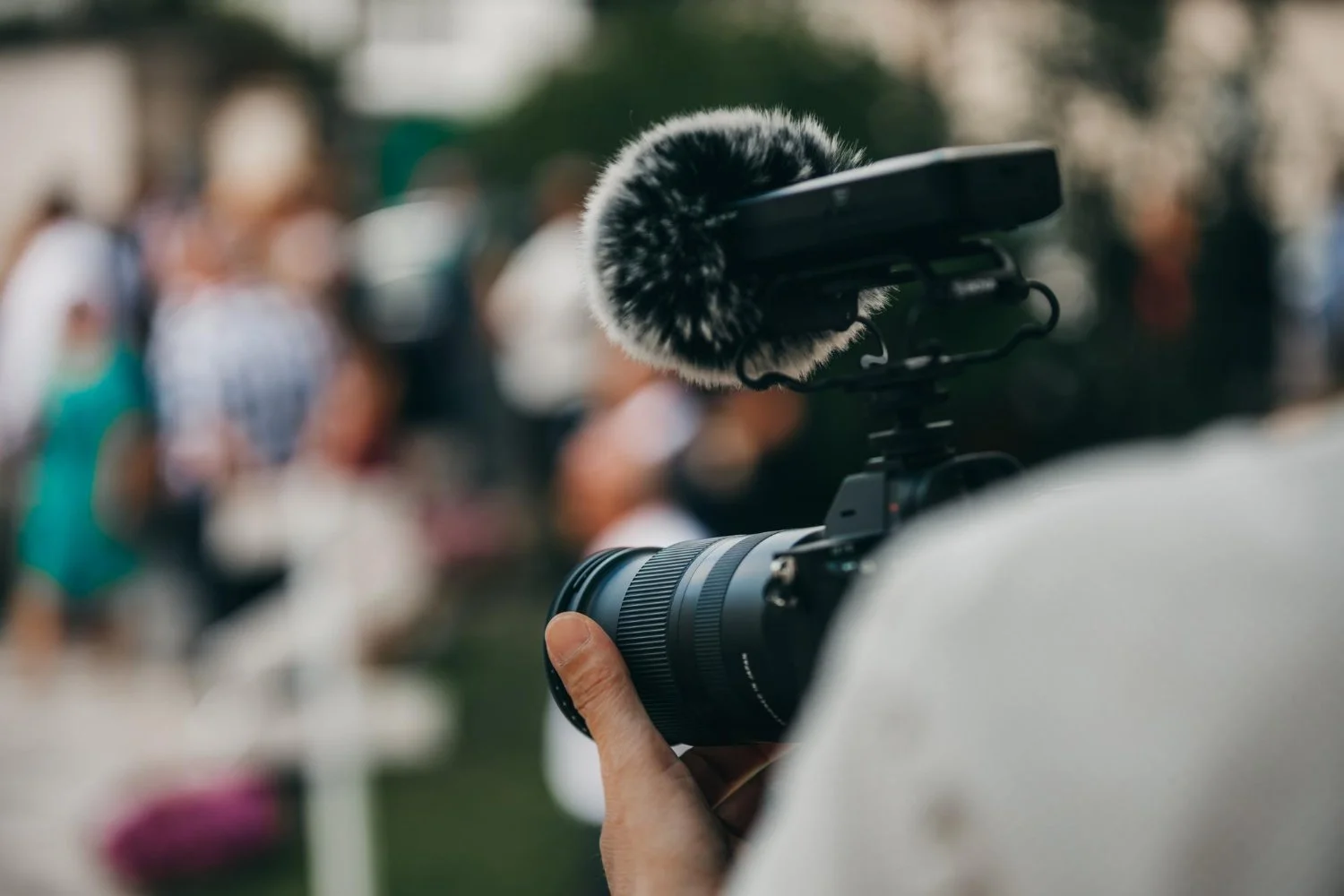
How to Tell a Story with Your Celebrations Videography
Learn how to navigate weather, light, and gear for wedding videography in Wyoming during Jackson Hole's unpredictable early spring season.
Early spring in Jackson Hole, Wyoming, still feels a lot like winter. Snow sticks around longer at elevation, and unpredictable shifts in weather are just part of the day. For couples planning destination weddings in the mountains, that mix of winter and spring creates a beautiful yet sometimes tricky experience. From a filming perspective, it takes some real flexibility to work well with nature instead of against it.
When we talk about wedding videography in Wyoming during this time of year, we’re thinking about how to capture the story as it really happens. And that includes wind, snowmelt, changing light, muddy paths, and those moments that only come when the season is just starting to turn. As a premier wedding videography firm based in Jackson Hole, WY, Après Events specializes in creating heartfelt, visually rich wedding films that reflect each couple’s genuine emotions and energy. Knowing how to prepare helps make the most of it, not just for us behind the camera, but for everyone involved in the day.
Understanding the Climate
Spring on paper might start in March, but up here, we’re still seeing icy mornings, slushy driveways, and snow covering parts of open ground. It’s not unusual to shoot a ceremony with bright dry peaks in the background and ankle-deep snow at our feet.
Some things to expect this time of year:
Midday can bring strong sun that reflects off snow, making exposure harder to manage
Mornings are colder and often darker unless there’s a clear sky
Afternoon cloud cover can roll in fast, diffusing light or blocking views in seconds
We never plan a shoot in early spring without checking road access, trail status, or last-minute snow events. Even warm sunny days can mean deep mud on forest routes or venue driveways. These unexpected changes are not problems, they’re part of the story. But staying relaxed and adjusting the plan with light and time in mind keeps us ready for anything.
Packing and Protecting Video Gear
Moisture, cold wind, and uneven terrain all add complexity to what we pack and how we carry it. There’s no one-size-fits-all gear list, but there are some basics we always bring out for mountain weddings during early spring.
Here are a few gear tips that have saved us more than once:
Keep water-resistant covers on hand for all camera and audio equipment
Use lens cloths frequently, since snow flurries and fog can sneak up with low warning
Carry gear in backpacks that allow quick access, not just convenience
Bring hand warmers, not just for comfort, but to keep batteries warm in freezing temps
Cold weather can drain batteries faster than expected. We make sure we’re stocked with extras, and we rotate them throughout the day. We rely on state-of-the-art cameras, a range of lenses, and professional audio tools so the footage stays clear and true in shifting mountain conditions. And while snow can be beautiful in the background, it’s tough on gear if you’re not prepared, so we plan placements carefully when shooting in open or wooded spaces.
Timing Shots Around Unpredictable Conditions
We’re always chasing good light, but in spring, that light changes fast. The sun can shift from golden to flat gray in minutes, especially in valleys or near canyon walls. So timing means everything for framing those quiet, emotional moments.
To keep things working smoothly:
We aim for golden hour when the weather allows, but we’re ready with plans B and C
We prepare for ceremonies to begin late due to fresh snow or travel delays
We keep equipment easy to move so we can reset quickly if lighting or locations need to shift
Bare trees, low clouds, and melting snow tell a real part of a spring wedding’s story. We try not to fight what the environment is offering. Instead, we look at each new element as a part of the emotional setting. The weather might not follow the couple’s timeline, but we still get what matters.
Capturing Natural Audio When the Environment Doesn’t Cooperate
Jackson Hole’s spring winds can make it tough to record clean, natural audio. Trees might not have leaves yet, which gives sound less to bounce off or block. Snow absorbs everything, making audio feel too quiet.
To keep audio clear and close to the moment:
We use lavalier mics with wind protection where possible, hidden beneath collars or jackets
Backup systems are always used to record from more than one location
We test recording conditions multiple times before the ceremony starts
Placing mics that will pick up emotion without showing up in every frame is a balance. Snowmelt adds its own soundtrack, from rushing creeks to dripping branches. We try to tune in without interrupting what’s happening around us. If someone’s voice breaks during vows, we want to hear it. But we don’t get in the way of connection to do it.
When Experience Counts More Than Planning
No matter how well we plan, the season often decides what the day looks like. Sometimes the most meaningful scenes come when the couple walks through mud to their ceremony spot, or pauses because wind tugs at the arch.
Here are a few things we’ve learned:
If a backdrop is blocked by fog or snow, framing a tighter shot can still show emotion
If weather forces a delay, those filler moments often become keepsakes
If sound is limited, small movements or glances can carry just as much weight
We pack for every possibility, but flexibility is more valuable than any roadmap. Quick thinking and calm reactions matter more than sticking to the hour-by-hour. That’s what helps us keep filming in conditions that change by the minute.
Let Nature Lead the Story
All the planning, gear prep, and timing cues are meant to help us work with what's real. Mountain spring doesn’t always give us blue skies and dry ground. But it does offer something that’s honest. When we let that come through, the story stays rooted in the truth of that moment.
Filming a destination wedding in early spring is not about creating perfect scenes. It’s about paying attention to what makes that day unique, the shoes wet with snow, the hands held tighter in the wind, the sunlight catching just right behind a thinning cloud. Jackson Hole, Wyoming, doesn’t wait for spring to cooperate. It moves at its own pace. We follow it. That’s where we find the most meaningful footage.
Discover how early spring weddings come alive on mountain landscapes as you explore our past work. From melting snow trails to golden-hour light slipping behind a mountain ridge, we capture the moments that feel truly authentic. Jackson Hole, Wyoming, sets its own rhythm at this time, inspiring the way we shoot. Experience our signature approach to wedding videography in Wyoming and see what magic unfolds when the season leads the story. At APRES Events, we welcome conversations about your spring wedding ideas anytime.
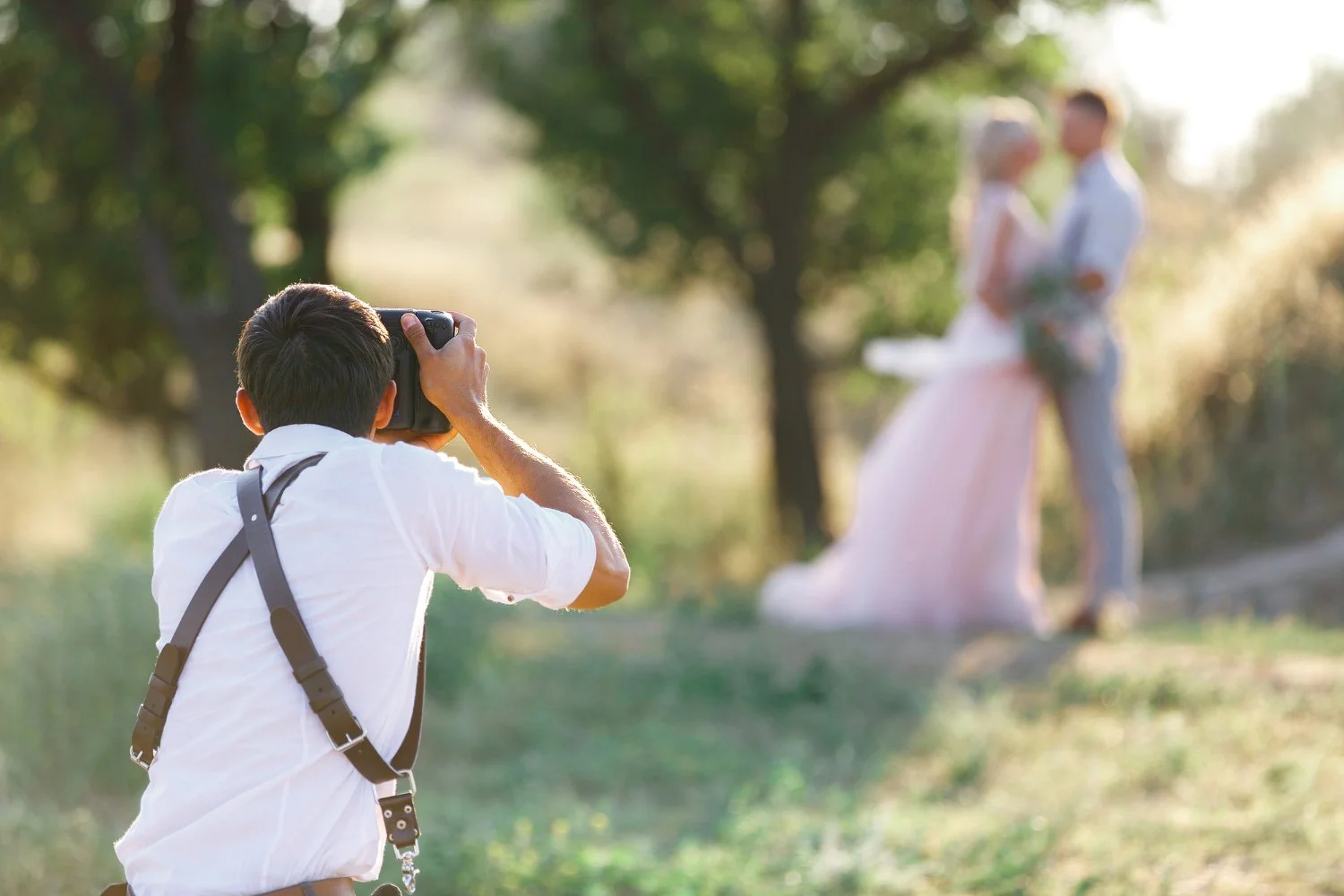
Tips for Filming Destination Weddings in Early Spring Conditions
Learn how to navigate weather, light, and gear for wedding videography in Wyoming during Jackson Hole's unpredictable early spring season.
Early spring in Jackson Hole, Wyoming, still feels a lot like winter. Snow sticks around longer at elevation, and unpredictable shifts in weather are just part of the day. For couples planning destination weddings in the mountains, that mix of winter and spring creates a beautiful yet sometimes tricky experience. From a filming perspective, it takes some real flexibility to work well with nature instead of against it.
When we talk about wedding videography in Wyoming during this time of year, we’re thinking about how to capture the story as it really happens. And that includes wind, snowmelt, changing light, muddy paths, and those moments that only come when the season is just starting to turn. As a premier wedding videography firm based in Jackson Hole, WY, Après Events specializes in creating heartfelt, visually rich wedding films that reflect each couple’s genuine emotions and energy. Knowing how to prepare helps make the most of it, not just for us behind the camera, but for everyone involved in the day.
Understanding the Climate
Spring on paper might start in March, but up here, we’re still seeing icy mornings, slushy driveways, and snow covering parts of open ground. It’s not unusual to shoot a ceremony with bright dry peaks in the background and ankle-deep snow at our feet.
Some things to expect this time of year:
Midday can bring strong sun that reflects off snow, making exposure harder to manage
Mornings are colder and often darker unless there’s a clear sky
Afternoon cloud cover can roll in fast, diffusing light or blocking views in seconds
We never plan a shoot in early spring without checking road access, trail status, or last-minute snow events. Even warm sunny days can mean deep mud on forest routes or venue driveways. These unexpected changes are not problems, they’re part of the story. But staying relaxed and adjusting the plan with light and time in mind keeps us ready for anything.
Packing and Protecting Video Gear
Moisture, cold wind, and uneven terrain all add complexity to what we pack and how we carry it. There’s no one-size-fits-all gear list, but there are some basics we always bring out for mountain weddings during early spring.
Here are a few gear tips that have saved us more than once:
Keep water-resistant covers on hand for all camera and audio equipment
Use lens cloths frequently, since snow flurries and fog can sneak up with low warning
Carry gear in backpacks that allow quick access, not just convenience
Bring hand warmers, not just for comfort, but to keep batteries warm in freezing temps
Cold weather can drain batteries faster than expected. We make sure we’re stocked with extras, and we rotate them throughout the day. We rely on state-of-the-art cameras, a range of lenses, and professional audio tools so the footage stays clear and true in shifting mountain conditions. And while snow can be beautiful in the background, it’s tough on gear if you’re not prepared, so we plan placements carefully when shooting in open or wooded spaces.
Timing Shots Around Unpredictable Conditions
We’re always chasing good light, but in spring, that light changes fast. The sun can shift from golden to flat gray in minutes, especially in valleys or near canyon walls. So timing means everything for framing those quiet, emotional moments.
To keep things working smoothly:
We aim for golden hour when the weather allows, but we’re ready with plans B and C
We prepare for ceremonies to begin late due to fresh snow or travel delays
We keep equipment easy to move so we can reset quickly if lighting or locations need to shift
Bare trees, low clouds, and melting snow tell a real part of a spring wedding’s story. We try not to fight what the environment is offering. Instead, we look at each new element as a part of the emotional setting. The weather might not follow the couple’s timeline, but we still get what matters.
Capturing Natural Audio When the Environment Doesn’t Cooperate
Jackson Hole’s spring winds can make it tough to record clean, natural audio. Trees might not have leaves yet, which gives sound less to bounce off or block. Snow absorbs everything, making audio feel too quiet.
To keep audio clear and close to the moment:
We use lavalier mics with wind protection where possible, hidden beneath collars or jackets
Backup systems are always used to record from more than one location
We test recording conditions multiple times before the ceremony starts
Placing mics that will pick up emotion without showing up in every frame is a balance. Snowmelt adds its own soundtrack, from rushing creeks to dripping branches. We try to tune in without interrupting what’s happening around us. If someone’s voice breaks during vows, we want to hear it. But we don’t get in the way of connection to do it.
When Experience Counts More Than Planning
No matter how well we plan, the season often decides what the day looks like. Sometimes the most meaningful scenes come when the couple walks through mud to their ceremony spot, or pauses because wind tugs at the arch.
Here are a few things we’ve learned:
If a backdrop is blocked by fog or snow, framing a tighter shot can still show emotion
If weather forces a delay, those filler moments often become keepsakes
If sound is limited, small movements or glances can carry just as much weight
We pack for every possibility, but flexibility is more valuable than any roadmap. Quick thinking and calm reactions matter more than sticking to the hour-by-hour. That’s what helps us keep filming in conditions that change by the minute.
Let Nature Lead the Story
All the planning, gear prep, and timing cues are meant to help us work with what's real. Mountain spring doesn’t always give us blue skies and dry ground. But it does offer something that’s honest. When we let that come through, the story stays rooted in the truth of that moment.
Filming a destination wedding in early spring is not about creating perfect scenes. It’s about paying attention to what makes that day unique, the shoes wet with snow, the hands held tighter in the wind, the sunlight catching just right behind a thinning cloud. Jackson Hole, Wyoming, doesn’t wait for spring to cooperate. It moves at its own pace. We follow it. That’s where we find the most meaningful footage.
Discover how early spring weddings come alive on mountain landscapes as you explore our past work. From melting snow trails to golden-hour light slipping behind a mountain ridge, we capture the moments that feel truly authentic. Jackson Hole, Wyoming, sets its own rhythm at this time, inspiring the way we shoot. Experience our signature approach to wedding videography in Wyoming and see what magic unfolds when the season leads the story. At APRES Events, we welcome conversations about your spring wedding ideas anytime.
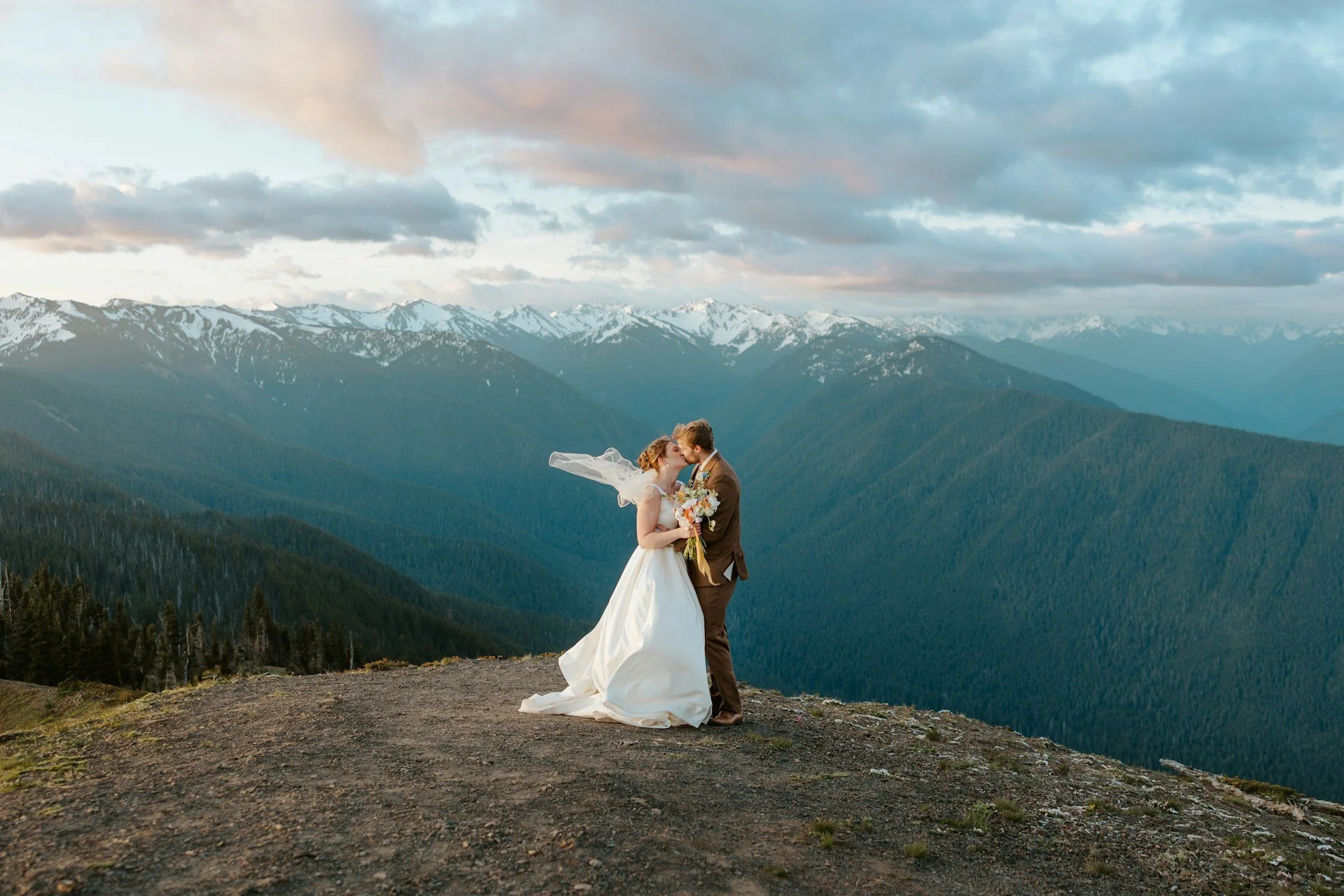
How a Boutique Videography Team Handles Remote Mountain Weddings
See how we create boutique wedding films and photography in Jackson Hole, WY, using natural light, rugged gear, and a human-first approach.
Early spring in Jackson Hole brings a mix of frozen ground, muddy trails, and shifting skies. Weddings set in these mountain spaces do not wait for perfect weather. They lean right into what is real about the season. That is why boutique wedding films and photography need more than pretty scenery to work. The setting does part of the storytelling, but it is the way teams respond to that setting that shapes the final film. As a wedding videography firm based in Jackson Hole, WY, Après Events focuses on visually stunning, emotive wedding films that feel shaped by the real conditions and energy of the day.
When a wedding takes place miles from the main road, with snow still clinging to the hills, everything from equipment choice to filming style has to adapt. Our work in remote areas like this pushes us to move with the landscape, not against it. We have learned a simpler, more grounded approach helps bring out what matters most in each scene, connection, emotion, and story.
Working With Nature Instead of Against It
Remote weddings in early spring are not built for straight lines and perfect timelines. Wind gusts can sneak up without warning. Trails might be icy in the morning and slushy by afternoon. Clouds move fast across mountain faces, changing the light every few minutes.
All this can either get in the way or become part of the film. That depends on how you work. We plan ahead but leave enough room in the day for nature to breathe. We keep an eye on light, wind, and movement so we can catch natural moments as they really look and feel. If cloud cover shifts the tone of a scene, we go with it. If snow starts falling softly during a vow exchange, we do not stop and restart.
By letting the weather help shape the final story, the film ends up feeling more like what the day actually was.
Gear That Travels Well Off the Grid
When the nearest store or paved road is hours away, you cannot rely on last-minute fixes. Everything we carry has to serve a purpose and hold up through changing conditions. That means we use only the gear that does the job and does not weigh us down. Our team relies on professional-grade cameras, lenses, audio tools, and stabilizers so that even in rough terrain the footage stays steady, clear, and true to the atmosphere of the day.
Here is how we choose what travels with us:
We pack small, durable setups that can handle cold, wet, or dusty weather
We leave space for backups in case something fails miles from help
We use protective gear so batteries, lenses, and memory cards stay dry and safe
We have learned to work smarter with the few tools that always hold up in wild places.
Timing Everything Around Mountain Travel and Light
In Jackson Hole, the light hits different sides of the mountains differently. Shadows stretch longer in the morning. Peaks can block the sun in late afternoon, even while the skies are still clear. At the same time, getting to a ceremony spot may take longer than expected after snowmelt or frost.
To make it work, we shape the schedule around the terrain. That means more travel time between locations. It means sun position gets just as much attention during planning as sound equipment or camera placement. We sometimes film a first look earlier to catch better lighting or push the ceremony forward a bit to avoid a steep trail turning icy again near sunset.
Timing does not just help logistically. It affects how the story unfolds visually. Soft afternoon light on a snowy field feels different than blue-hour light in the trees. Building the day around that makes all the difference.
Keeping the Focus on People, Not Just Scenery
Yes, the Tetons and wide skies are beautiful. But the story does not live on the ridgeline. It is in quiet glances between partners, laughter echoing in a clearing, and hands gripping each other through wind.
In cold or windier spots, comfort matters. People may be shivering a little. They might talk faster just to get through vows before frozen fingers set in. We adjust how we shoot to keep things moving while still noticing the feeling underneath it.
When we are filming in remote places, scenes often end up feeling more intimate. There are fewer onlookers, no crowds gathered behind the camera. Just people connected by a reason to be present, surrounded by space. That is where boutique wedding films and photography feel more honest. Not posed, but real.
Communication with Couples and Vendors in Remote Locations
Planning a ceremony two hours from town takes work. There are no quick pickups for forgotten bouquets. Cell service will probably drop out somewhere along the way. Plans might shift suddenly if weather closes a trail the morning of the event.
To avoid surprise problems, we make sure everyone is on the same page days before the shoot. That way, if a parking area turns into slush or a vendor cannot reach the original meeting point, there is already a backup choice on the table.
What helps most:
Agreeing on timelines that are flexible but clear
Sharing maps instead of just addresses, since GPS may not work
Staying patient when signals drop and things take longer than planned
Being remote does not mean being disorganized, but it does mean thinking ahead based on how the season behaves in early spring.
Delivering True-to-Life Films from High-Up Places
Mountain weddings are not about perfect conditions. They are about real people choosing to celebrate someplace raw and beautiful. Snow might still be tucked in the shade. The skies might shift from clear to cloudy, then back again in seconds.
For us, the goal is not to make the setting shine more than the people. It is to let both come through clearly. Remote does not mean hard. It means quiet, open, unscripted. That is why we listen to the setting and let it shape each moment we film. Over the years, we have created wedding films for couples in Jackson Hole, WY, and beyond, always aiming for a timeless feeling that lets them step back into the day each time they watch.
When everything matches up, the light, the movement, the pace of the place, the result feels more grounded. Not polished to perfection, but true to what that day felt like. And that is what makes mountain weddings worth filming this way.
Discover how these honest, location-shaped moments come to life on film when you explore our past work. We capture the magic of weather, light, and travel in ways that highlight what makes each day truly special. Planning for early spring in Jackson Hole takes patience and preparation, and it is in the quiet parts, the wide views, and the genuine connections that the real meaning emerges. Reach out to Après Events to see how our approach to boutique wedding films and photography fits your mountain plans.
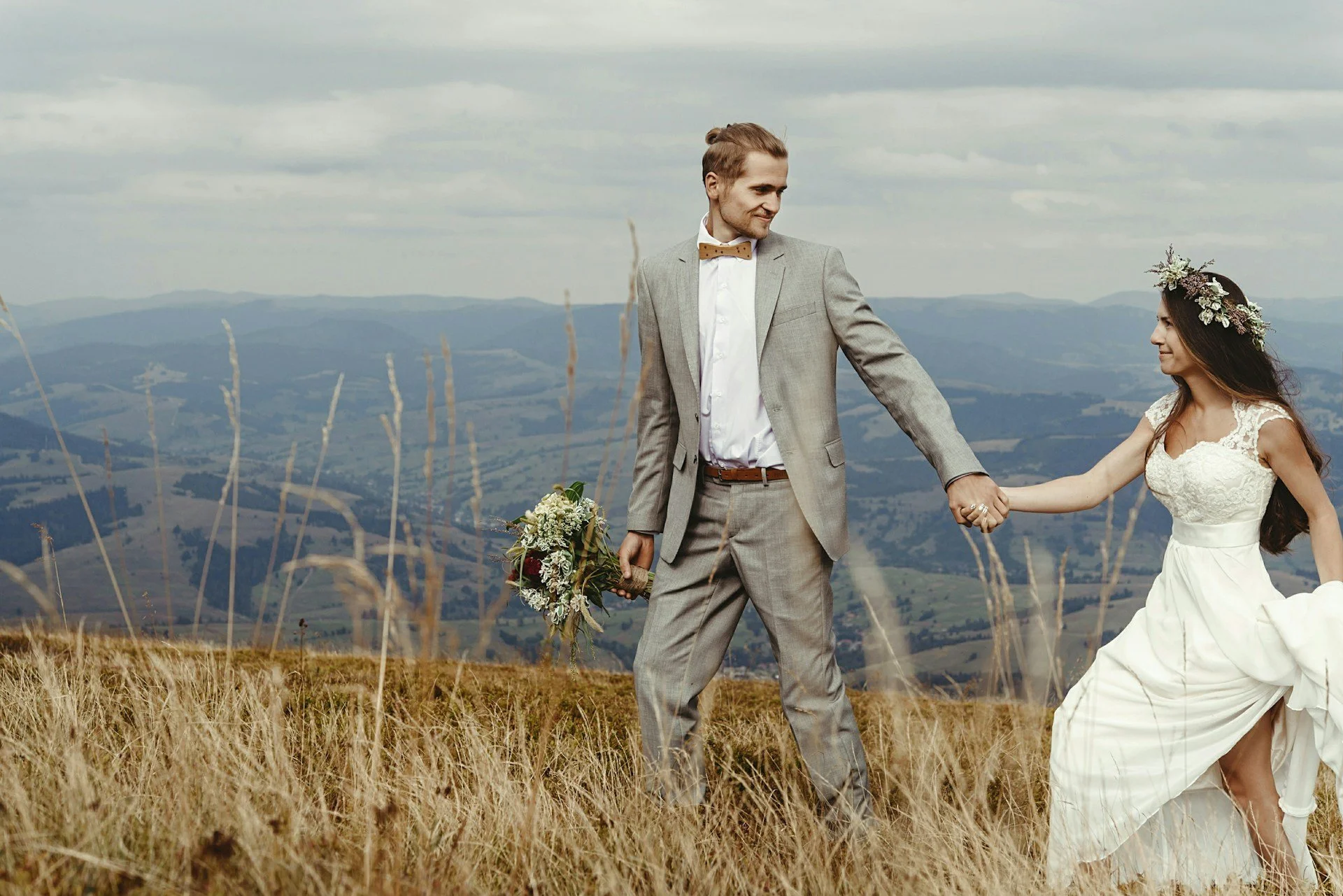
How to Pick the Right Filming Style for Mountain View Locations
Learn how to match your mountain venue with a filming approach like documentary style videography that honors Jackson Hole’s natural pace and beauty.
Picking a filming style for an outdoor wedding in the mountains shapes more than just the footage. It shapes how the day is remembered. When you're surrounded by wide skies and dramatic peaks, the way the story is told matters.
A natural setting like Jackson Hole can shift in just a few minutes, with clouds moving fast and the light changing hour to hour. A style like documentary style videography focuses more on what actually happens without interrupting or staging scenes. That approach fits well with a setting that already feels so full of emotion on its own. As a wedding videography firm based in Jackson Hole, WY, Après Events focuses on visually stunning, emotive wedding films that hold onto the genuine energy of the day.
As spring peeks through the last of winter, couples planning early-season weddings can use this time to think about what kind of film will best match their location and energy.
How Mountain Backdrops Affect Visual Storytelling
Open views do more than create a beautiful frame. They control the pace of how a story moves on film. When you're surrounded by mountains, everything feels slower, quieter, and deeper. Fast camera angles and quick edits might not match what it feels like to be there.
Some styles benefit more from spacing things out. That includes fewer transitions and longer shots that hold the scene for a few extra seconds. It allows time for details to settle, like clouds passing behind a couple during vows or wind moving through fabric.
Here are some things to keep in mind when filming in mountainous places:
Light changes quickly, which can affect colors, shadows, and overall mood
The open sky brings exposure challenges that don't show up indoors
Wind or snow can shake hair, fabric, or gear, which may complicate fussy camera setups
In these conditions, filming styles that keep things simple and flexible usually work best.
Understanding the Main Filming Styles for Weddings
Every couple brings a different energy to their wedding. So does every filming style. Some feel more formal. Some are all about atmosphere. Others lean into real moments unfolding naturally.
These are some of the most common wedding film styles:
Traditional: Focuses on key moments (ceremony, speeches) with a clear script
Cinematic: Uses high-end editing and dramatic cuts to create a stylized experience
Documentary style videography: Follows the day as it happens, allowing real emotions and interactions to lead
Documentary style doesn’t ask people to repeat things or redo moments under better lighting. It’s not about staging a moment to look perfect. It’s about holding the camera still until something real happens, then capturing that without distraction. At Après Events, we talk with couples about how these styles feel so the film that comes back to them matches how they want the day to live in their memory.
For mountain weddings especially, mixing documentary footage with some cinematic touches can bring balance. That way the day is seen, not just shown.
When Documentary Style Fits Just Right
Some mountain weddings are filled with movement, hiking to the ceremony, laughing under falling snow, hugging close against wind. These moments don’t always lend themselves to stiff poses or complex choreography.
That’s where documentary style fits best. It doesn’t interrupt the flow. It lets people stay in the moment while the camera stays nearby.
Here’s when this approach works especially well:
When weather shifts fast and it makes sense to roll with it instead of pausing filming
When unscripted moments matter more than curated visuals
When the couple wants a quiet lens on the emotion, not a camera directing traffic
Spring in Jackson Hole still has snow in the air and mud on the trails. There's beauty in that unpredictability. Documentary filming makes room for it. It captures the real feeling of being there, not just the photo-perfect parts.
Tips for Matching Style to Your Mountain Venue
Not every mountain venue is the same. Some are out in the open with few trees or buildings for cover. Others are tucked close to the slopes, with trails or uneven ground nearby. Thinking about those details before filming helps make sure expectations and results line up.
To match your filming style with the location, ask these questions:
How much walking will need to happen between places like the getting-ready space and the ceremony site?
Will lighting change quickly at certain times of the day? Golden hour and twilight are popular but can look very different from one spot to the next.
What has worked at this venue in the past? Watching past footage from similar places helps show what styles fit without guessing.
If the setting is a key part of the day, the filming style should want to notice it. It shouldn't cover it up with too much polish or forced edits. Our team has filmed across many Jackson Hole, WY, venues, from wide-open overlooks to quieter ranch properties, so we have seen how different styles play out in changing mountain light.
The Takeaway: Let the Landscape Guide the Lens
Mountain weddings are already rich with feeling. Wide views, shifting skies, and quiet moments that linger, none of that needs a hard push. Picking a filming style that trusts what’s already there means the video will feel closer to how the day really moved.
Whether it leans cinematic or documentary, the style needs to respect the pace of the place. In Jackson Hole, that pace is often slow, open, and full of small surprises. When the filming matches that rhythm, the results tend to feel more honest. Not just beautiful, but true to the memory itself.
Experience how real wedding days come to life in outdoor settings like Jackson Hole as we at Apres Events tell each story with a unique touch. Light, movement, and setting combine to craft timeless narratives when we focus on presence rather than performance. Our approach to documentary style videography lets spontaneous moments take center stage while staying true to the spirit of each place. If this vision resonates with you, contact us to start the conversation.
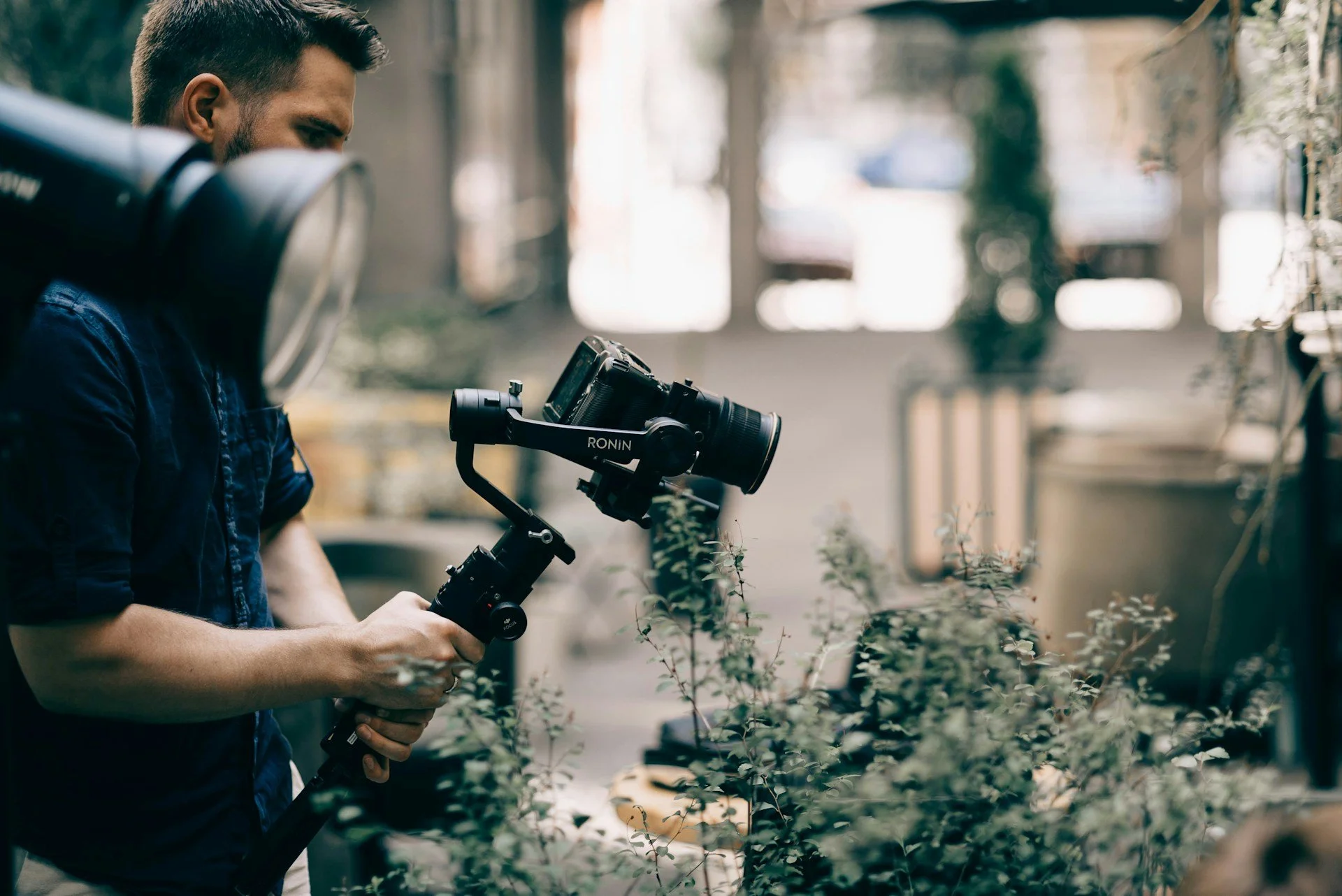
What Happens If Your Wedding Videographer Cancels
Learn what to do if your videographer cancels, how to secure wedding filming services fast, and steps to protect your timeline and memories.
When the Unthinkable Happens: Protecting Your Wedding Film
A wedding film is not just coverage of an event; it is the way you will hear your vows again, see your parents’ faces, and feel the energy of your favorite people in one place. So when couples think about a videographer canceling days or weeks before the wedding, it can feel like the floor drops out. The worry is not just about losing a vendor; it is about losing the chance to preserve a once-in-a-lifetime day.
The good news is that professional wedding filming services are built with this fear in mind. Thoughtful studios use contracts, backup plans, and clear processes so that a last-minute emergency does not mean your story goes untold. At Après Events, we approach each celebration, whether in Jackson Hole or another destination, with the understanding that there are no do-overs, and we design our agreements and workflows to protect your film from the unexpected.
What a Backup Coverage Clause Actually Is
A backup coverage clause is the part of your videography contract that explains what happens if your lead wedding videographer is suddenly unable to film your wedding. It is essentially the written answer to the question, "If something happens to you, then what?" When this clause is clear, couples can move forward with confidence even if life throws a curveball.
Common reasons this clause might come into play include illness or injury, urgent family situations, serious travel delays, or unexpected events that make it impossible for the original filmmaker to get to your venue. Not every hiccup triggers it. Minor schedule changes, like shifting prep coverage earlier or adjusting to a slightly late ceremony, usually fall under regular flexibility, not full cancellation.
The distinction matters. A full cancellation means the original videographer cannot be there at all and a replacement filmmaker is required. Professional wedding filming services treat this as a serious event and have a specific plan for it. Including a thoughtful backup coverage clause is a sign that your studio respects the significance of your day and takes your trust seriously.
Key Protections Your Contract Should Include
When you review a videography contract, it helps to know what strong protection actually looks like on paper. Several elements work together to safeguard your film if backup coverage is needed.
Replacement Videographer Standards
Your contract should explain what kind of replacement filmmaker you can expect. It is reasonable to look for language that states the substitute will be of equal or higher experience and skill level compared to the original. You are not simply filling a spot on a timeline; you are trusting someone to see and interpret your story.
Studios like ours typically work with a curated circle of filmmakers whose style aligns with a refined, emotional approach to storytelling. That way, if we ever need to call on someone, we already know how they see light, movement, and moments. Couples should feel comfortable asking whether the potential replacement is:
• An in-house team member or regular collaborator
• A vetted partner with similar portfolio quality
• A last-minute hire with no prior relationship to the studio
The closer the connection to the studio, the more confidence you can have in a consistent result.
Style, Editing, and Final Product
Even if another experienced filmmaker steps in, the studio’s editing team is usually the constant thread that keeps the film cohesive. The way footage is cut, colored, and scored is a huge part of what you fell in love with when you first watched their work.
Look for contract language that clarifies:
• Who will handle editing if backup coverage is used
• That the same studio maintains creative direction and post-production
• That your film will still reflect the look and feel that drew you to them
For many couples, knowing that the central editing team stays in control is what makes a backup plan feel safe rather than risky.
Financial and Timing Guarantees
A clear contract should also address the money and timeline side of a worst-case scenario. If truly no suitable backup coverage can be arranged, what happens to your payments? Couples often look for:
• Defined refund or credit options if coverage is impossible
• A timeframe for when you will be notified about a needed change
• A deadline by which a replacement videographer will be confirmed
It also helps to see language that reassures you that delivery timelines will not be stretched without explanation because of a change in coverage. When expectations are laid out, surprises are less stressful.
How Professional Studios Secure Backup Coverage
Behind every wedding film that feels effortless is a lot of quiet structure. High quality wedding filming services put time into building the safety net you hope you never need.
Networked Teams and Vetted Filmmakers
Experienced studios tend to be active in professional circles, especially in destination regions like the Rocky Mountains and Jackson Hole. Over time, this creates a network of filmmakers who:
• Are familiar with mountain weather and shifting light
• Understand the logistics of remote venues and long travel days
• Share similar standards for client care and communication
Boutique film houses often work in teams, with multiple shooters and assistants who already know the brand’s approach. If the primary filmmaker has an emergency, someone who understands the style and process is often ready to step in.
Systems, Communication, and Contingency Planning
Good backup coverage does not start when something goes wrong; it starts months earlier with solid systems. This can include carefully maintained calendars, realistic travel buffers, awareness of seasonal conditions, and backup gear plans in case equipment fails.
Equally important is communication. If anything threatens a wedding date, couples should hear about it clearly and quickly, along with options that are already in motion rather than vague reassurances. Many thoughtful studios keep an internal short list of who they would call first in a true emergency, so there is a plan long before a problem appears.
Realistic Limits of Any Backup Clause
Even the most careful planning has limits. Extreme events that shut down entire regions, close roads, or cancel flights across an area can affect every vendor at once. A backup clause cannot completely override circumstances that make it physically unsafe or impossible to reach your venue.
This is why it helps to think in layers. Strong videography protections pair well with smart travel plans, flexible venue policies, and aligned backup ideas from other vendors. When everyone is thinking about the "what ifs" together, your day has more protection from all angles, especially for destination celebrations.
Questions to Ask Before You Sign the Contract
Before you commit to any wedding filming services, it is worth taking a few minutes to ask specific questions about backup coverage. Clear answers can tell you a lot about how a studio operates under pressure.
Digging Into the Details of Backup Coverage
Here are helpful questions to consider:
• Who are your typical backup videographers and how do you know them?
• How often have you actually needed to use backup coverage?
• Can we see a film that was shot by an associate or backup and edited by your studio?
• Will we be told who our replacement would be, and when?
Some couples also ask whether they have any input or veto power in rare cases when a replacement does not feel like a good fit. You may not get total control, but you deserve to understand the process.
Understanding Your Own Comfort Level
Every couple weighs risk differently. For some, having a specific person behind the camera is essential. For others, the studio’s overall style and editing voice matter more than which team member holds the camera on the day. It can help to ask yourself:
• Do I care more about a single individual, or about a consistent studio style?
• Does the contract language feel clear and concrete, or vague and hopeful?
• How does this studio’s plan compare with other options we are considering?
There is no right or wrong answer, only what lets you exhale and focus on enjoying the planning process.
Red Flags and Signs of a Trustworthy Partner
As you review contracts, some signs can point to a mismatch. Red flags often include:
• No mention of backup coverage at all
• Extremely vague wording about "best efforts" with no specifics
• Defensive or evasive answers when you ask follow-up questions
On the other hand, green flags usually look like:
• Detailed clauses that explain triggers, timelines, and standards
• A clear, existing network of trusted filmmakers
• Calm, confident explanations of how past situations have been handled
Studios that are willing to talk openly about worst-case scenarios are usually the ones that have already thought about how to prevent them.
Safeguard Your Story and Move Forward with Confidence
Concern about a videographer canceling is understandable, but it does not need to overshadow the excitement of planning your wedding and dreaming about your film. When you choose wedding filming services that treat contingency planning as part of their craft, not as a last-minute patch, you give yourself permission to focus on the moments instead of the what ifs.
By paying attention to backup coverage clauses, asking good questions, and working with a studio that values protection as much as creativity, you build a strong safety net around your story. With those pieces in place, you can step into your day knowing that the laughter, tears, and scenery you love are in thoughtful hands, even if life does not follow the script.
Get Started With Your Project Today
Explore our wedding filming services to see how we thoughtfully capture every meaningful moment of your day. At Après Events, we take time to understand your story so your film feels personal and timeless. When you are ready to talk details, contact us and we will help you map out a custom approach for your wedding.
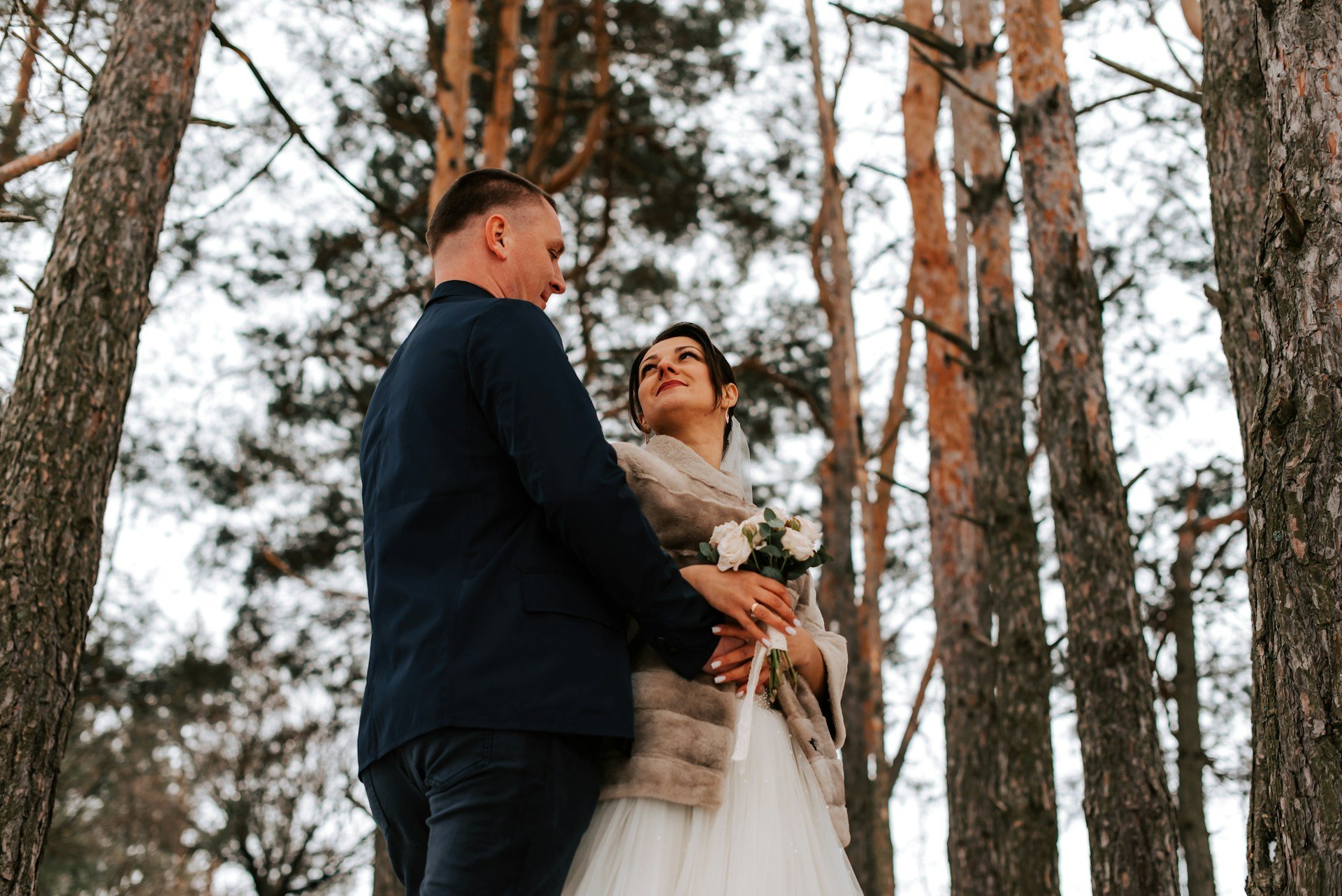
Guide to Capturing Natural Audio in Outdoor Winter Ceremonies
Filming weddings in winter settings, especially in places like Jackson Hole, comes with a quiet kind of beauty.
Filming weddings in winter settings, especially in places like Jackson Hole, comes with a quiet kind of beauty. Snow-covered trees, crisp mountain air, and open skies create a peaceful setting for a couple’s most important day. But the calm appearance hides some big challenges, especially when it comes to recording natural sound.
Unlike indoor venues, nature doesn’t offer padded walls or steady temperatures. Instead, we work with wind, shifting light, and cold gear. Still, real sounds, like the tremble in someone’s vows, laughter during the ceremony, or boots crunching softly in the snow, give a wedding video its emotional heartbeat. Capturing those moments takes more than just pointing a camera. It takes care, timing, and the right approach. At Après Events, we pair that approach with professional audio gear and careful sound checks so that vows, speeches, and ambient sound stay clear and true to the day.
Understanding the Role of Natural Audio in Wedding Films
Sound makes visuals feel alive. It pulls people into the moment and deepens the connection to what’s seen on screen. In outdoor winter ceremonies, natural audio becomes even more valuable.
Vows whispered in falling snow, or a crisp breeze moving through pine trees as the couple steps toward each other, add atmosphere to every shot. That kind of ambient sound lifts the visuals and brings out real-time emotion.
Here’s why unfiltered sound matters:
• Background noise like the wind or snow underfoot adds authenticity
• Natural sound holds real emotion, unlike dubbed audio or added tracks
• Viewers can feel the environment through what they hear, not just what they see
A well-recorded moment doesn’t rely on added music to make it meaningful. It lets the sounds of the day speak for themselves. When recorded with care, those small noises become some of the most powerful parts of a film.
Challenges of Recording in Cold Mountain Settings
Capturing clear sound during a winter wedding outdoors isn’t easy. Cold temperatures, dry air, and open terrain all create hurdles. Microphones have their limits, and so do batteries. Cold drains battery life quickly and makes some gear stiff or unresponsive.
Wind is another issue. Even gentle gusts can muffle vows or make background noise too loud. Sometimes, speech sounds distant or scratchy. It takes planning to get the audio right.
Here’s what we often have to watch for:
• Managing mic placement in a way that doesn’t block quality but still shields from wind
• Keeping equipment warm enough to function without being seen
• Adjusting to sudden weather changes with backup gear ready
Winter months in mountain areas like Jackson Hole are beautiful but unpredictable. Snow can fall without warning, and temperatures shift throughout the day. That means sound setups have to be flexible from start to finish.
Choosing the Right Mics and Placement for Outdoor Ceremonies
Success often starts with the right mic. Some types work better than others in open-air environments where surfaces don’t bounce sound. Wind-resistant models, double protection, and long-range recording options all help.
Hidden clip-on mics for the couple are one of the most reliable choices. Tucking these under coats, scarves, or inside lapels helps pick up soft speech while shielding them from winter air.
There are smart ways to balance the captured sound:
• Use lavalier mics hidden near the speaker’s mouth for clean audio
• Supplement with a secondary mic placed safely off-camera for surrounding sound
• Test everything beforehand and listen for background interference
Knowing when to rely on ambient mics and when to shift focus to clipped options takes experience and awareness. Sometimes, both are blended in post-production for the right balance.
Staying Present Without Interrupting the Moment
Filming weddings while capturing live audio requires presence but not intrusion. Couples are already sharing one of the most intimate moments of their lives, so the camera and microphones shouldn’t distract them from it.
Movement and calm presence during the ceremony matter. We make every step quiet and deliberate, choosing placements beforehand to avoid last-minute shuffling.
Here’s how we stay behind the scenes while still catching natural sound:
• Move slowly and predictably to avoid drawing focus
• Use silent gear and clothing to prevent noise near the couple
• Test setups early so there’s no fumbling during the real moment
The more relaxed the couple feels, the better the sound captured. If they forget the equipment is there, their words come out naturally and their voices carry more emotion.
Capturing the Feeling Through Sound
When everything lines up, weather, timing, and tech, the sound from a mountain wedding in winter can feel just as warm as the visuals on screen. You hear two people making honest promises in the quiet between snowflakes. Laughter doesn’t echo but settles gently into the still air.
Real sound brings life to winter visuals. It doesn’t just support the picture, it completes it.
Wedding films feel more honest when you can hear the natural rhythm of the day. With close attention to sound, every spoken word, every shared laugh, and even each moment of silence feels like its own scene. There’s no need to add sparkle where genuine feeling already lives. We just listen.
At Après Events, we have spent years filming weddings in mountain settings like Jackson Hole, WY, with each project teaching us something new. To further enhance the viewer experience, our team works diligently to capture every subtle nuance of sound. The careful capture and editing of natural audio not only enhances the emotional connection of the wedding film but allows the couple to experience their memories with renewed clarity. The approach we use in every project guarantees that every note, every whisper, and every ambient sound is preserved to remind you of the remarkable day. This detailed attention to sound is an essential aspect of what makes winter weddings uniquely magical.
Discover our collection of filming weddings across the seasons and contact us to discuss your special day.
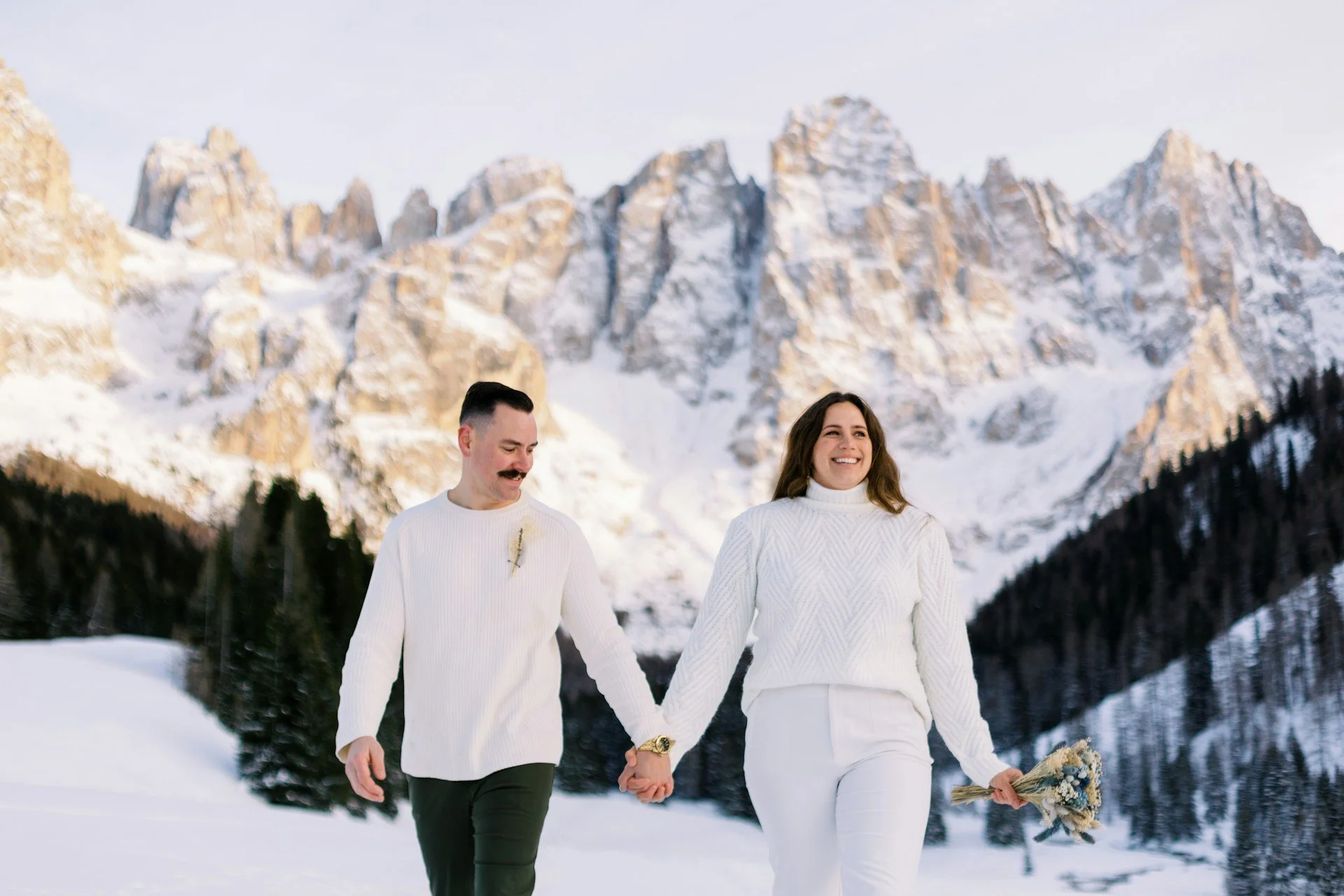
Tips for Setting Up Backdrops That Work with Snow-Covered Venues
Learn how to create film backdrops that stand out in the snow and hold up on camera for your mountain wedding in Jackson Hole, Wyoming.
Snow-covered venues in Jackson Hole come with a kind of beauty that feels quiet and dramatic all at once. But they can be tricky when it comes to visuals, especially if you're capturing everything on film. Backdrops may look great in your head, but once you're surrounded by snow, soft light, and reflection all around, it's a different story.
Getting your setup to hold up on camera takes a little care. Planning film backdrops with color, light, and structure in mind makes a difference. Below are some simple ways to make sure whatever you build doesn't just stand up outside but actually shows up in your wedding film with all the detail, mood, and contrast that the day deserves.
Choosing Colors That Stand Out in Snow
When you're setting up against a full white background, anything light or pale is going to disappear fast. What looks soft and airy in summer can end up invisible in winter. So the first place to focus is color.
Here are a few color tips that keep your setup from fading into the snow:
• Rich tones like forest green, burgundy, deep navy, and rusty orange are dependable picks for winter
• If you want neutrals, lean into darker ones like charcoal, camel, or dark wood tones
• Avoid pure white or light gray for major elements since they’ll blend in under cloudy skies or afternoon sun
Textures can help too. Velvet, leather, or weathered wood hold their own on snowy ground. Hanging a bit of greenery or branches adds natural contrast and layers the scene so the backdrop feels like part of the setting, not just a structure stuck in front of it.
Dealing with Winter Light for Film Backdrops
Snow changes everything about how light works. It reflects light in all directions and can create bright patches, strange shadows, or overexposed frames if you're not careful. That makes placement and timing just as important as the materials you use.
Keep these things in mind when positioning backdrops for film:
• Try to avoid setups that face direct midday sun since glare can wash out the whole image
• Snow glows in full sun, so using semi-shaded or backlit angles creates smoother light and visible detail
• If your ceremony is scheduled for mid-morning or sunset, test that location at the same time a day or two before
Bright sun isn't always a bonus. In winter, the way light hits the snow can bounce hard into the camera and flatten out faces or fabric. The best strategy is to work with softened daylight or slight cloud cover whenever possible. It gives everything a more peaceful look on video.
Building Stable Backdrops in Icy Conditions
Winter scenes come with more than beauty. Ice, wind, and cold ground can mess with setup if things aren't weighted or secured correctly. If you're using a freestanding frame or anything with fabric, you’ll want to think more like an outdoor builder than a decorator.
Here's how to keep structure from being a problem:
• Don't rely on lightweight tripods or single-point stands, especially with fabric or florals
• Use sandbags, snow anchors, metal spikes, or wide bases to handle soft or uneven ground
• If you're setting up away from paved areas, prep for how crews will move gear, especially through snow
Even if things look calm while you're prepping, wind can show up out of nowhere. There is not a lot of time to troubleshoot once guests are seated and cameras are rolling, so every backdrop element should be built to stay put.
Incorporating the Natural Surroundings to Support the Look
The best snow setups don't fight the landscape. They work with it. Jackson Hole offers massive scenic backdrops on its own, from pine trees to frozen rivers and snowy ridgelines. Using those natural elements as part of the framing can make everything feel more connected.
Here are some simple ways to tie the scene into your design:
• Frame your backdrop between standing trees or use a cluster of evergreen to anchor one side
• If there's a beautiful view behind your ceremony spot, angle the backdrop to lead the eye into that feature
• Keep shapes simple so the natural surroundings still shine through
Even small steps like opening up part of your arch or choosing thinner posts can keep the view from being blocked. Snow softens everything, so the more open your structure is, the more it blends into nature instead of standing out in a way that feels off.
What to Keep in Mind When Working with a Videographer
Some choices that seem beautiful in person may land flat on camera, especially with a lot of reflected white light. Before finalizing backdrop materials or placement, it helps to walk the space with your videographer or at least share details with them during setup planning.
A few things to check in with them on:
• Ask if they have filmed at that location in winter and what worked (or did not) for previous shoots
• Share materials like velvet or floral samples to see if the texture shows up well through the lens
• Offer a quick layout sketch or general direction of light so they can prep equipment accordingly
Film backdrops work best when they have depth, contrast, and dimension. We think through those layers from the start because once the camera is rolling, any detail that gets blown out by sun or hidden in shadow cannot always be brought back later.
The goal is to make sure those snaps of color, those layers of texture, and that carefully styled frame look just as rich on film as they do in person.
Creating a Snowy Setup That Stands Out on Film
Winter in Jackson Hole already feels cinematic. Snow smooths over distractions, the light stays low, and everything slows down just enough to notice the details. A backdrop that is thoughtfully built adds a grounding point without overpowering that natural mood.
When the color, materials, direction, and timing all line up, the result is something calm and polished. The film does not just catch the view. It feels part of it.
As snow keeps covering the ground this February, there is still time to shape a scene that feels just right for winter. One with strong lines, steady footing, and enough contrast to shine through against even the softest sky.
Planning a winter ceremony in Jackson Hole, WY means that careful attention to your visuals can make all the difference on camera as natural light, snow glare, and backdrop stability dramatically influence the final look and feel. At Après Events, we understand that thoughtful planning around texture, scale, and color brings snowy scenes to life, which is why we invite you to explore some of our standout setups featuring strong film backdrops that balance setting and structure perfectly. When you're ready to discuss ideas for your own wedding, reach out to us today.
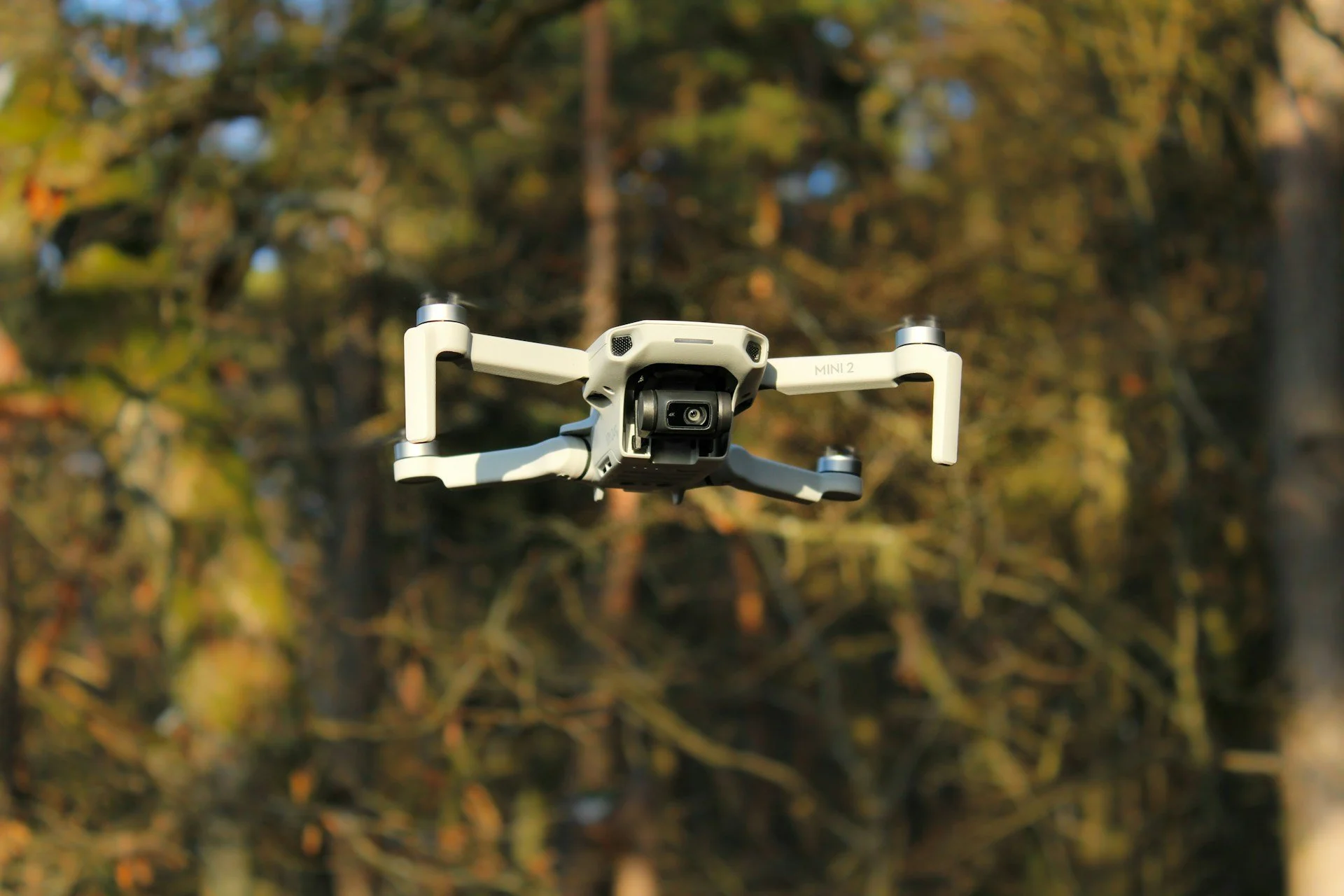
Understanding Jackson Hole Permit Rules for Drone Wedding Shoots
Learn what permits you need for drone weddings in Jackson Hole, WY, and how to plan smooth, legal aerial shots during your winter wedding.
Drone weddings have become one of the most requested visual styles for couples getting married in wide-open scenic spaces. Here in Jackson Hole, winter offers a perfect match for that. Expansive white peaks, frozen lakes, and soft morning light make it easy to see why couples want those aerial views to be part of their wedding film.
But before props start spinning or cameras take off, there is one thing that must happen first. You need to understand the local rules around drones. This part matters more than it might seem. Jackson Hole sits among protected lands and national airspace with rules that do not bend for special events.
If you are planning drone footage during your wedding weekend, there is a good chance someone will need permits. Depending on the location, that might not be the kind of thing you can handle at the last minute.
Why You Need a Permit to Fly Drones in Jackson Hole
There is no single drone rule that covers all of Jackson Hole. That is what makes the planning tricky. The town is surrounded by national parks, wildlife areas, and federally protected spaces. Each one comes with its own layer of airspace restrictions.
Many of the most scenic wedding locations, high above treeline or near forest overlooks, fall within these restricted zones. Even if it looks like a great place to send up a drone, the airspace might say otherwise.
It is not just about the air. Local noise rules, wildlife protections, and nearby private property zones all affect where drones are allowed. Some venues have agreements in place that limit overhead flights. Others might require extra steps to get approval.
Here is what all of that adds up to: whether the goal is a single flyover or a full aerial sequence, someone needs to confirm what is permitted at that exact location.
Common Permit Types and Where They Apply
There are a few different drone permits that might come into play for drone weddings in Jackson Hole. What you need depends on where you will be flying. Here is a breakdown:
• Local permits may apply within the Town of Jackson, private venues, or areas managed by Teton County
• State permits sometimes cover use in Wyoming-managed public spaces or state parks nearby
• Federal permits are usually required if you are near Grand Teton National Park, Bridger-Teton National Forest, or on USDA or BLM land
If your ceremony or film shoot takes place near Jenny Lake or along Moose-Wilson Road, that is federal turf, and drones are almost always restricted. Some venues along the Snake River or open meadow areas may be on ranches or land parcels that overlap with these zones.
That means it is not enough to just know the venue name. You have to look at maps, land ownership, and the type of airspace overhead. In winter, conditions can shift where park boundaries or activity zones reach, so double-checking ahead of time is important.
What Happens if You Skip the Permits
Skipping drone permits in Jackson Hole does not go unnoticed. Drone activity is on the watch list for park rangers, local police, and private landowners. The penalties can range from formal warnings to fines.
Even if business penalties are not your concern, it is worth thinking about how this could affect your wedding weekend. If a drone gets grounded mid-shoot, there is not always time to adjust. There are no guarantees for a second chance when the best light is slipping behind the Tetons and everyone has moved on to the next event.
Here is what else can go wrong without permits:
• Law enforcement could stop the drone pilot and hold filming up during your event
• Nearby guests or hikers could report the drone, leading to an inspection
• The drone pilot could be fined, and that could later impact your delivery schedule
All it takes is one guest with a phone or a ranger on patrol and your beautiful mountain flyover could turn into an unplanned delay.
How to Work with a Videographer Who Knows the Area
Winter flights here are different. Sunrise throws cold light over the peaks, shadows stretch long in the valleys, and snow glare can bounce into the camera if you are not careful. That is part of what makes February beautiful, but it also means timing drone footage takes practice and planning.
We have seen days where wind gusts shut down flights just as the crew got into position. We have seen areas around Moose close quietly for elk migration. Without experience in Jackson Hole’s seasonal patterns, those moments can catch people by surprise.
Working with a videographer who understands those patterns can reduce guesswork. They do not need to use maps constantly, they remember which roads close early for snow and which cliffs catch the best afternoon light. The process becomes less stressful when the person handling the drone already knows how to get through common obstacles and which trails close first.
That kind of local knowledge can make the whole permit process feel less like a hurdle and more like part of setting the scene.
Making Your Drone Footage Count in February
Late winter holds a special kind of quiet here. Trees stay frosted. The sun sits low all day. The snowfields stretch out wide under blue skies that stay crisp into late afternoon. Drones can capture all of that, but only if you know when and how to fly.
Things that help in February:
• Snow glare is real, and it can affect cameras quickly. Overcast mornings or golden-hour shots usually look better than midday
• Flight paths should be clear of busy trails or parking areas. Midweek mornings are often the calmest times to film
• Cold batteries drain faster, so prep time needs to be planned. Crews may bring extra gear to keep equipment warm between shots
Crowds tend to thin after the holidays, but skier traffic can still spill into areas near wedding venues. That is something to factor into drone plans too. Picking the right time of day can mean the difference between peaceful overhead footage and a chaotic backdrop full of moving cars or ski shuttles.
When everything comes together, the result is something quiet and sweeping, footage that feels as calm as the mountains themselves.
A Clearer Path to Flying Legally and Beautifully
If drone footage is part of the plan for your wedding weekend in Jackson Hole, it is important to take the rules seriously from the start. Permit requirements may feel like an obstacle, but they help protect the land and keep things running smoothly.
Working with people who know the area and winter conditions can save time, avoid problems, and help your aerial footage feel relaxed rather than rushed. When drone planning starts early, there is more room to focus on the moments that matter, not the paperwork behind them. In a place like Jackson Hole, where light, space, and timing all come together quickly, planning makes all the difference.
Capture a breathtaking winter scene that only drone footage can provide. At Après Events based in Jackson Hole, WY, we have filmed in mountain valleys, beside frozen rivers, and across quiet winter ridgelines where timing is everything. You can view some of our past drone weddings to see how location, light, and local rules come together in the final film. Ready to create something cinematic for your special day? Reach out through our contact form.
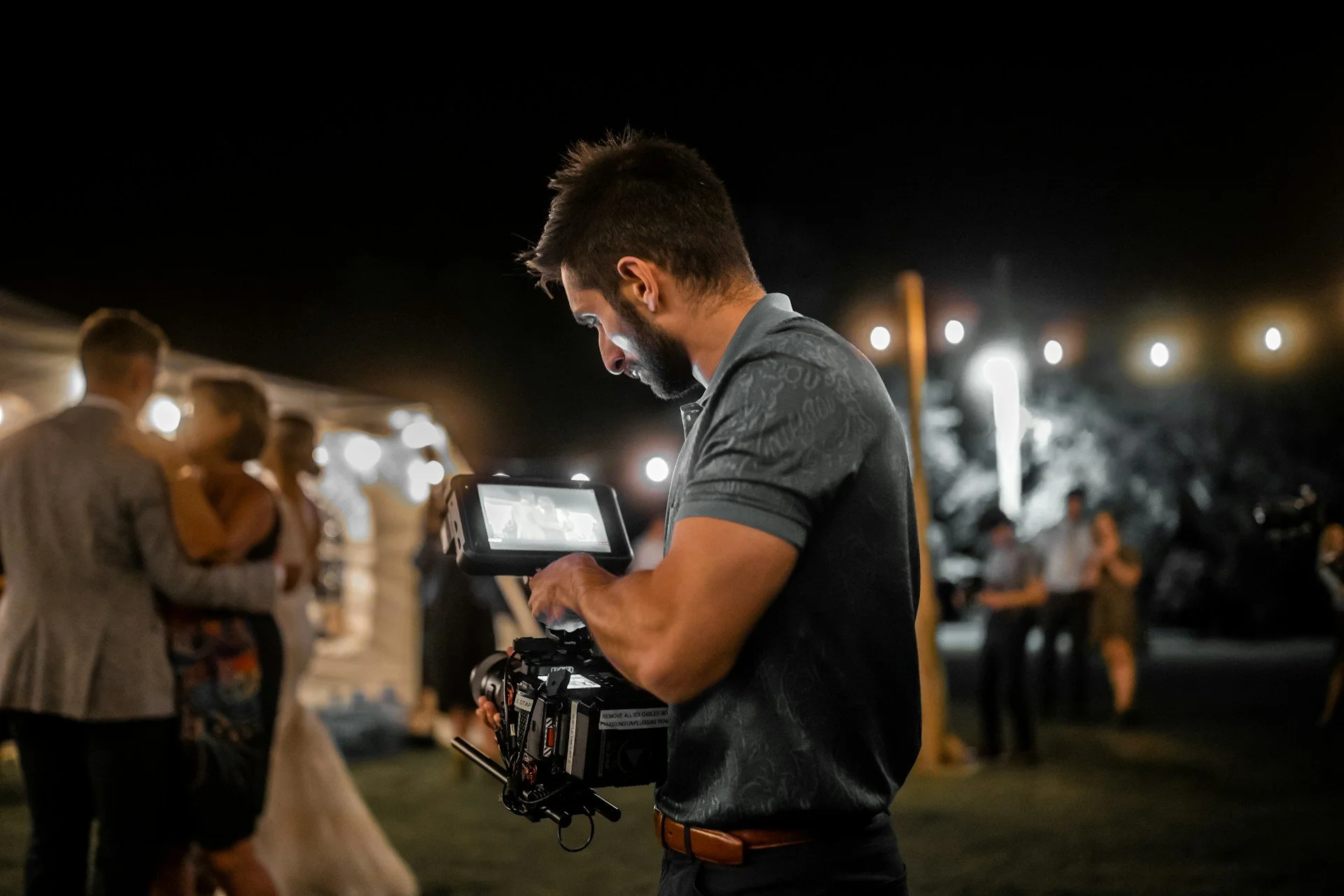
What Sets a Private Videographer Apart for Multi-Day Wedding Events
More couples are choosing to stretch their weddings across an entire weekend, especially in mountain towns like Jackson Hole, Wyoming.
More couples are choosing to stretch their weddings across an entire weekend, especially in mountain towns like Jackson Hole, Wyoming. It makes sense. If guests are flying in and everyone’s taking time away from their routines, packing a full experience into more than just the ceremony day feels worth it. These weekends usually hold more than just the vows. There might be a welcome dinner, a hike, a low-key brunch, or time to relax around a fire after dark.
For these kinds of celebrations, a private wedding videographer gives the couple something more lasting than just a recap. When the same person captures each part of the weekend, they get a full sense of the story and how it unfolds. It’s not just about filming the major landmarks. It’s about connecting the dots between them, quiet glances, shared laughs, and the natural rhythm of the weekend coming together. Based in Jackson Hole, WY, Après Events specializes in cinematic wedding films that focus on genuine emotion and the real energy of each couple’s celebration.
One Consistent Vision Across Multiple Days
When weddings take place over several days, the experience isn’t made up of separate events. It feels like one big story that builds slowly, starting with something simple and ending on a deep, emotional note. That kind of arc needs consistency in the way it’s filmed.
Switching between different teams for each event breaks that flow. Things like lighting, pacing, and color may vary, and those changes can pull people out of the moment when watching back the final film. Different perspectives can also lead to gaps in the story or a tone shift that feels out of place.
Keeping the same person or small crew throughout lets the storytelling stay steady all the way through. It helps the film feel like one memory, not a string of unrelated scenes. From the first toast to the last farewell hug, every part gets seen with the same eye, and that’s what helps the full story hold together.
Fewer People, Less Distraction
On a wedding day, emotions run high. People feel excitement, nerves, joy, sometimes all at once. And when a camera is present, those feelings can sometimes shift into performance. The more people holding cameras around the couple and their loved ones, the bigger that shift becomes.
With a private wedding videographer, the setup stays small. It’s easier for guests to relax when the same familiar face is quietly filming throughout the weekend. That calm presence fades into the background and lets people be themselves. There’s no need to repeat anything or pose for footage when the person behind the camera is already tuned in to what’s happening naturally.
That approach works especially well in mountain settings like Jackson Hole, where many events happen outdoors or in more intimate places. Fewer people, smaller gear, and a quiet awareness of surroundings help capture the real feel of each moment without interrupting it.
Better Relationships, Better Footage
Spending multiple days with the same videographer builds a sort of rhythm. Moments happen more naturally when couples start to forget the camera is there. That’s not something that happens on day one. It shows up after trust grows.
By the second or third event of the weekend, people begin to loosen up. They recognize the person behind the lens and no longer feel watched. That’s when the footage starts to feel more honest. A genuine hug, a nervous smile, a private conversation caught from a respectful distance, all of that starts with comfort.
And when comfort is there, it’s easier to catch the moments that matter most without needing to plan them. A familiar videographer can often sense when something important is about to happen and already be in the right spot to catch it.
Local Knowledge Makes a Difference
In Jackson Hole, winter doesn’t just mean snow. It means fast-changing mountain light, sleet that sneaks in without warning, and sudden shifts in the forecast that can move the wedding indoors or change the start time altogether.
A local videographer knows how to work through those changes without freezing the day’s momentum. They’ve been on the trails, know the drive times between spots, and understand where the late afternoon sun falls behind the peaks. When filming stretches across multiple days and venues, that awareness matters. At Après Events, we often film winter wedding weekends in Jackson Hole and lean on the soft, snow-lit light and natural mountain atmosphere to shape how each film feels.
Those quieter post-holiday weeks in February come with moodier skies, slower daylight, and fewer crowds in town. That feel can add so much to the story when shot with the right timing and familiarity with mountain weather. Knowing when to film and where to tuck in out of the wind can turn what seems like a challenge into the quietest, most beautiful part of the film.
Why Emotion Needs Time
The vow exchange gets the spotlight, but real emotion spreads across everything. Sometimes it surfaces during a walk through town before dinner. Other times, it comes during a morning coffee with family, or in a quiet moment at the end of a long day. These aren’t the kind of scenes that happen on cue.
With full access across a wedding weekend, those slow, true parts of the celebration come into focus. There’s room for silence, for breathing, for glances that carry weight. When filming isn’t rushed, there’s time to catch the in-between moments most couples barely remember afterward.
That extra space also allows guests to open up. So much connection happens between the formal events, and having footage from those pockets of time fills out the full picture. Without the pressure of filming on a fixed schedule, the story can unfold at its own pace.
More Than a Recap: A Story That Stays With You
Multi-day wedding weekends are more than one event stacked on another. They’re full of layers, energy rising and falling, people arriving, bonding, celebrating, and slowing down again. Letting one private wedding videographer document that entire rhythm keeps the storytelling smooth and grounded in feeling.
What sets this kind of filming apart isn’t just skill or equipment. It’s time. Time to build trust, read the room, stay aware, and move as part of the celebration instead of outside it. What comes from that is something that feels whole, not like a highlight reel, but like a memory you can step back into years later. Our wedding films are created to be lasting keepsakes that you can return to long after the weekend, with a focus on preserving the feelings and atmosphere of how it truly felt.
Planning a multi-day wedding in Jackson Hole, WY presents a unique opportunity for a consistent, trusted filmmaker to carry your story from start to finish. We believe the best memories come from genuine moments captured naturally as trust builds over time. Having a private wedding videographer lets us focus on your celebration without getting in the way, especially in mountain settings where timing and light matter. At Après Events, we concentrate on blending in so your story feels real, not staged, and if our approach sounds like the kind of presence you want for your wedding weekend, we would be delighted to talk.
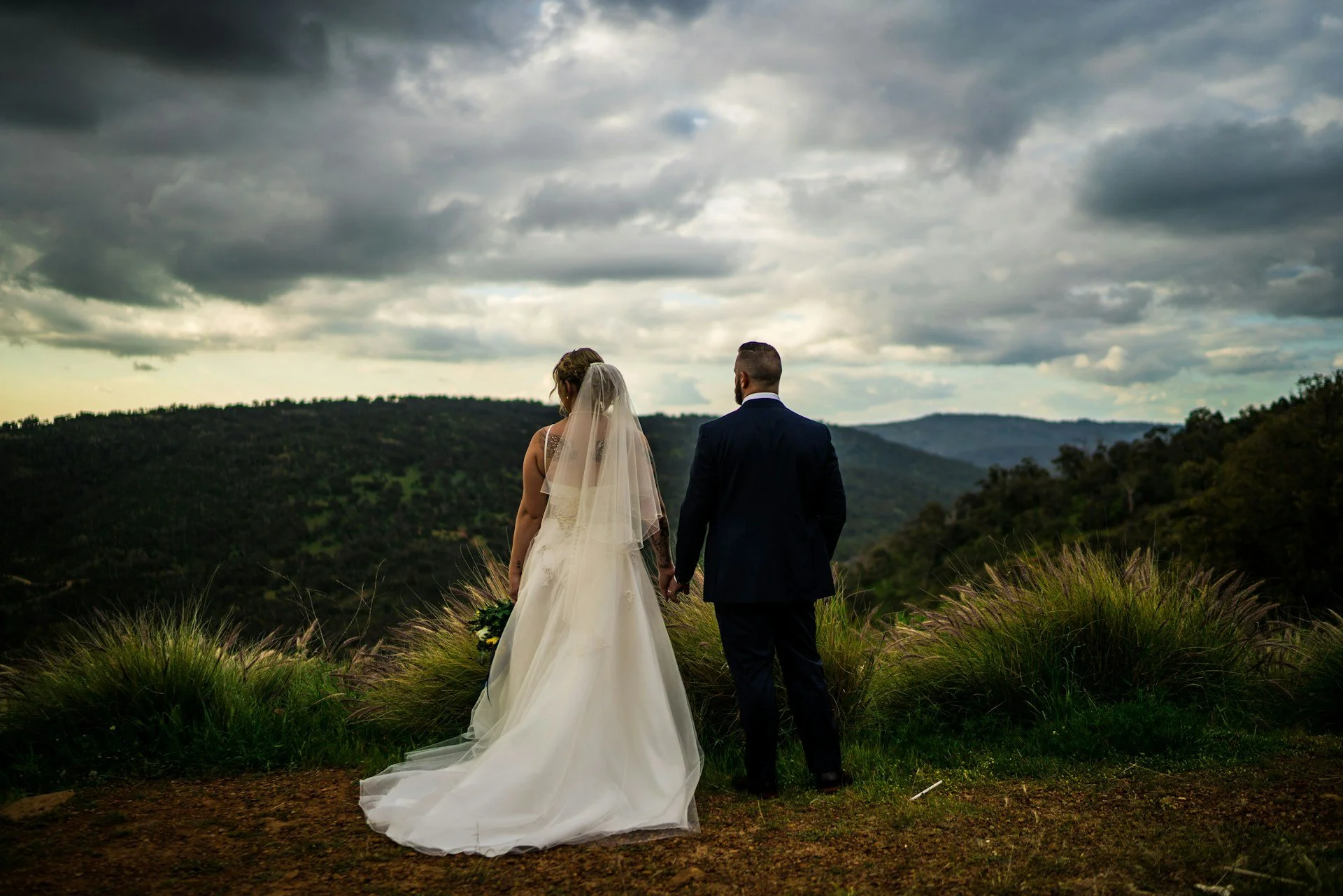
How to Capture Emotion in Mountain Weddings Without Posing
Late winter in Jackson Hole can feel quiet and calm, with a fresh chill in the mountain air and snow still clinging to the trees.
Late winter in Jackson Hole can feel quiet and calm, with a fresh chill in the mountain air and snow still clinging to the trees. It’s a time when sunlight feels softer, the days grow a little longer, and weddings take on a peaceful, reflective tone. This kind of setting creates space for more emotional storytelling.
Based in Jackson Hole, WY, Après Events specializes in creating heartfelt, cinematic wedding films for adventurous couples, focusing on genuine emotion and honest storytelling in mountain settings.
Emotion videography works best when it doesn’t interrupt moments to force a pose or cue a smile. Instead of asking couples to look a certain way or hold still, it works by letting them be themselves. That’s when we see the real feelings, without having to create them through direction. And that’s where the heart of a mountain wedding really lives.
Letting genuine emotion show up on its own means making space for it to breathe, and that usually means filming without stepping in too much. Posing has its place for photos, but for emotion-focused video, it often gets in the way.
Why Posing Can Get in the Way of Real Feelings
There’s a moment right after someone is told to “smile” when the expression stiffens and fades. It’s a familiar shift, and it tends to pull people out of whatever they were feeling just minutes before. That’s the trouble with directing too much. It creates images, but it doesn’t always reflect how people really felt in that second.
Too much direction during a wedding feels like hitting pause on something that should flow naturally. The pressure to “get it right” can pull spontaneous connection away; little moments like a hand squeeze, shared laugh, or quiet glance are lost when the focus turns to holding a pose.
Real emotion builds up over time. It fades in and out. It doesn’t sit still. Trying to hold it for the camera often waters it down and makes people more aware of how they look than how they feel. We’ve found the best moments happen when couples forget about the camera entirely.
Creating a Comfortable Space So Real Moments Can Happen
Comfort isn’t something we can fake on video, and most people don’t feel entirely at ease the second they’re being filmed. Instead of pushing past that awkwardness with direction, we try to create a space where it fades on its own. On wedding days, we keep our presence quiet and unobtrusive so we can film unscripted moments and natural reactions without interrupting what is happening.
There are a few ways we help that comfort settle in:
• We dress and move like guests, staying in the background
• We keep camera setups simple so they blend into the scene
• We keep conversations relaxed and let time do the work
When people aren’t being told what to do every few minutes, they tend to relax into their own rhythm. That comfort leads to more honest moments we don’t have to prompt or stage. And often, couples don’t even realize we’re capturing those moments until they watch the final film.
The more relaxed they are, the more likely they are to connect with each other instead of playing to the camera. It’s those tiny looks or laughs that carry the weight of the day, not the ones we’ve built in for show.
Watching for Emotion, Not Waiting for It
The pace of a wedding day doesn’t follow a script. One minute someone is tearing up, the next they’re laughing through nerves. As much as we try to prepare, the important parts tend to happen in the quiet transitions. So we learn to stay ready. Then we stay quiet.
Emotion videography only works when we’re watching closely. It's not about waiting for a big reveal. It’s about noticing the tiny parts of a moment others might overlook. That includes:
• The fast rise and fall of someone’s breathing right before the ceremony
• A nervous grip on the edge of a coat or bouquet
• The small pause between vows, when the weight of the words hits
Instead of asking people to relive or redo something with a second take, we stay present from a few steps back. That way, nothing feels forced or repeated. There's value in letting moments take shape without us stepping in too early. We don't tell the story. We follow it.
Using Light, Sound, and Movement to Say What Words Can’t
In Jackson Hole, winter light feels different. It's slower, cooler, and lingers just a little longer near the mountains. When used the right way, it tells just as much of the story as anything people say.
We often rely on elements like light or sound to carry a scene rather than overdirecting it. They add feeling without ever needing to speak for it. Here’s how we use the atmosphere to film emotion honestly:
• Soft late-day light can show peace, stillness, or closure
• Wind moving a veil or snow falling during vows can show tenderness
• Footsteps crunching in packed snow, or a laugh echoing off a mountain ridge, doesn't need help to land with impact
Movement matters too. We don’t just look at what’s framed in the shot. We watch for the way two people hold their bodies toward each other, or how often they reach for one another without noticing. These are cues that help tell us when someone is moved or connected. Often, the smallest physical signs carry the biggest meaning.
Emotion Lasts Longer Than Poses
The strongest moments from a wedding aren't always the big ones. They're found in between the planned pieces, in the quiet smiles, sidelong glances, or shaky laughs. That's the kind of emotion that stays with people long after the day is over.
When we stop trying to shape a moment and start listening to it, that’s when the real emotion shows up. Filming without posing doesn’t mean we miss things. It means we catch them before they disappear. Some of the most moving scenes we’ve captured happened when no one thought the camera was rolling.
That kind of honesty can't be staged. And that’s what gives wedding films their true meaning.
At Après Events, we capture honest, unposed moments that speak louder than perfect frames by focusing on the unique energy each couple brings to their celebration in mountain settings like Jackson Hole, WY. Our approach highlights the details that make your connection feel real as we use emotion videography to showcase quiet gestures, natural light, and unspoken meaning without interfering with the day's true feeling. We would love to chat about how we can bring this genuine experience to your special day.
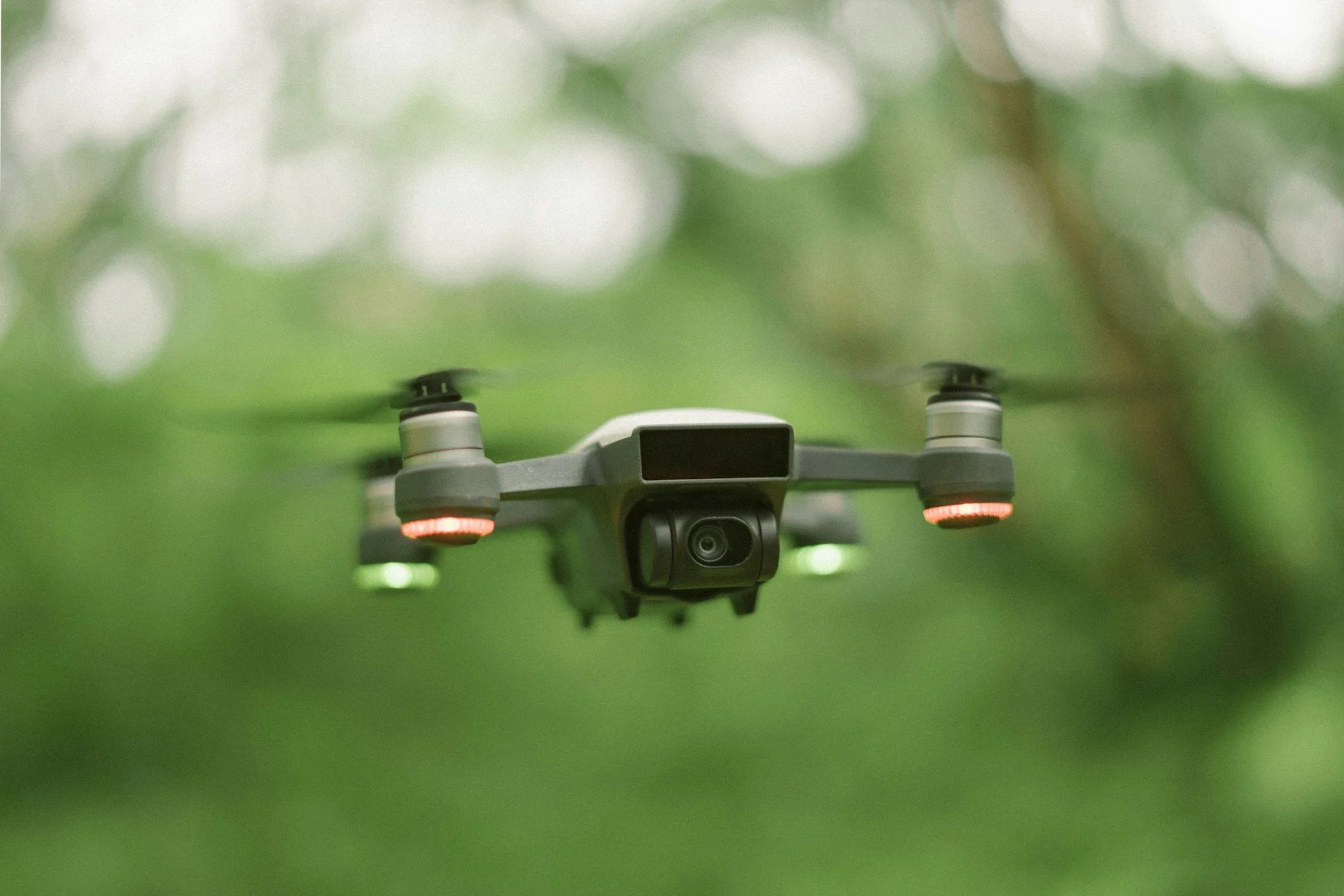
Drone Videography for Wedding Moments in Snowy Jackson Hole
Snow-covered weddings in Jackson Hole feel like something out of a dream.
Snow-covered weddings in Jackson Hole feel like something out of a dream. You’ve got the Teton Range in the background, quiet pine trees blanketed with fresh powder, and a whole valley that holds light in a way you don’t see anywhere else. It’s peaceful, still, and open, which makes for some incredible wide-angle footage.
Drone videography for wedding moments really works in this type of setting. Winter adds its own kind of energy to a wedding day. Everything feels slower and quieter, which highlights the emotion even more. Getting a shot from above lets your whole story unfold layer by layer. From the trails your boots make in the snow to the way the light hits your veil as the sun goes down behind the ridge, every detail matters. Let’s take a look at how aerial filming fits into this season and what winter conditions mean for your wedding video.
How Snow Impacts Wedding Footage from Above
Fresh snow changes everything about how a location feels, especially on camera. From above, it’s not just a white layer, it becomes part of the story you’re capturing. Snow brings texture you can actually see from the sky. Light scatters across it in soft waves, giving your video movement even when nothing is moving on the ground.
The way snow brightens a scene also affects how we plan drone footage. Bright light bouncing off snow can wash out shots when the sun is high, so timing matters. In winter, that golden hour glow hits differently. Later mornings and early sunsets give us that warm contrast we need to offset the cold ground.
Angles are everything with drone work, especially in snowy spaces. If we drop too low, snow tracks or gear setups may clutter the frame. Too high and we lose the intimacy. The right balance lets mountain ridges, treetops, and valleys take shape without making the couple feel lost in the scenery.
Planning Drone Use Around Winter Weather Patterns
Jackson Hole’s weather shifts quickly, especially in winter. Planning drone flights gets trickier when storms roll in fast or winds pick up without warning. To catch the best footage, we need to think ahead and work with nature, not push against it.
Here are a few time-tested tips that help keep drone sessions smooth in the snow:
• Midday flights often give the brightest light with minimal glare from the ground
• Calm mornings are more stable for flying than afternoons when wind starts to rise
• Watching forecast models for 2–3 days before the wedding helps spot safe open windows
Sudden temperature drops or heavy snowfall can delay or change drone timelines. We always have backup plans, different locations nearby or ground footage alternatives, so the couple isn’t left without coverage. When it comes to mountain weather, flexibility is key. We lean into what the day gives us.
Capturing Intimate Moments from a Higher View
Big scenic shots are beautiful, but drones can also bring intimacy when used carefully. It’s not just about wide views, it’s how movement highlights quiet moments without stepping too close. There’s a way to stay back and still show everything.
A shot of you two walking hand in hand through fresh snow is a lovely option. A drone placed just high enough can show your footprints trailing behind while the towering fir trees hold the scene together.
We’ve found that slower drone movements make the moment feel honest. No spinning, no zipping from side to side, just steady glides that give real moments room to breathe. It speaks to the stillness around you, the way snow quiets background noise and brings attention to the small things.
From vows read out loud with the mountains in view to the kiss under soft falling flakes, elevated shots place your emotions inside something larger. It’s cinematic without being staged.
Jackson Hole’s Natural Landmarks to Include from Above
Winter filming in Jackson Hole brings out natural features that don’t always pop in other seasons. With the leaves already gone and everything under snow, the bones of the shape stand out stronger.
Some of the most recognizable spots for winter drone work include:
• The jagged profile of the Teton Range catching golden sunset light
• Frozen open fields near the Snake River that stretch for miles
• Snow-covered pine forests that create natural framing around the couple
These aren’t just beautiful, they’re also helpful to fly over. Jackson Hole’s wide land areas tend to have fewer flight obstructions like power lines or urban buildings. Open skies, clear trails, and natural elevation changes make the drone feel like part of the environment instead of fighting it.
These shots often become transition points in the final film. We move from setting to emotion, from space to people, without explaining or cutting suddenly. The topography helps us craft that flow.
What to Expect When Using Drone Videography for Wedding Films
Drone footage blends into wedding videos better than most would guess. It doesn’t stand apart, it supports the rhythm of the story. We use it to open a scene, to shift to a new emotion, or to settle into a quiet moment with stillness.
When planning winter drone videography, there are a few organizing details we go through together:
• Scheduling exact moments for footage so it doesn’t interrupt heirloom moments
• Making space for pauses, most drone shots only need a minute or less
• Choosing locations where couple movement looks natural from the sky
As a luxury videography team based in Jackson Hole, Après Events is fully insured and FAA certified for drone operation, ensuring every flight meets all federal and local guidelines. Drone filming during winter in Jackson Hole, Wyoming, also means following rules set by local parks and flight zones. Many public lands have airspace limits or permit requirements during certain times of year. We always handle permits and permissions a few weeks before the event so everything remains clear and stress-free.
A Cinematic Perspective That Endures
Drone videography is a signature element of Après Events, blending cinematic storytelling with honest moments and wide mountain backdrops. Snow softens everything, and when you film from above, that softness spreads out even more. Drone shots in winter don’t just show a place, they shape the mood and energy of the whole wedding film.
Working with the season instead of against it, our aerial storytelling becomes the voice of your setting. Jackson Hole, with its sweeping vistas and serene snow, sets the perfect stage for luxury destination weddings in the Rockies.
If you're drawn to the quiet beauty of snowy peaks and spacious skies, winter in Jackson Hole can add something unforgettable to your wedding film. Aerial footage brings the setting to life in a way that still photography often can’t. You can see the details in motion, your footprints side by side, the drift of your dress, the way the light shifts across frozen trees. To see how we use drone videography for wedding moments like yours, take a look at a few of our previous films. If you're planning something similar and want to capture it from above, reach out to Après Events.